Here are the two reports we will present at the Dec. 10th delegation before the Special Meeting of Council re: budget. They show that Kingsville has a long way to go in order to achieve the level of pedestrian safety and comfort that facilitates healthy lifestyles for all and a vibrant local economy.
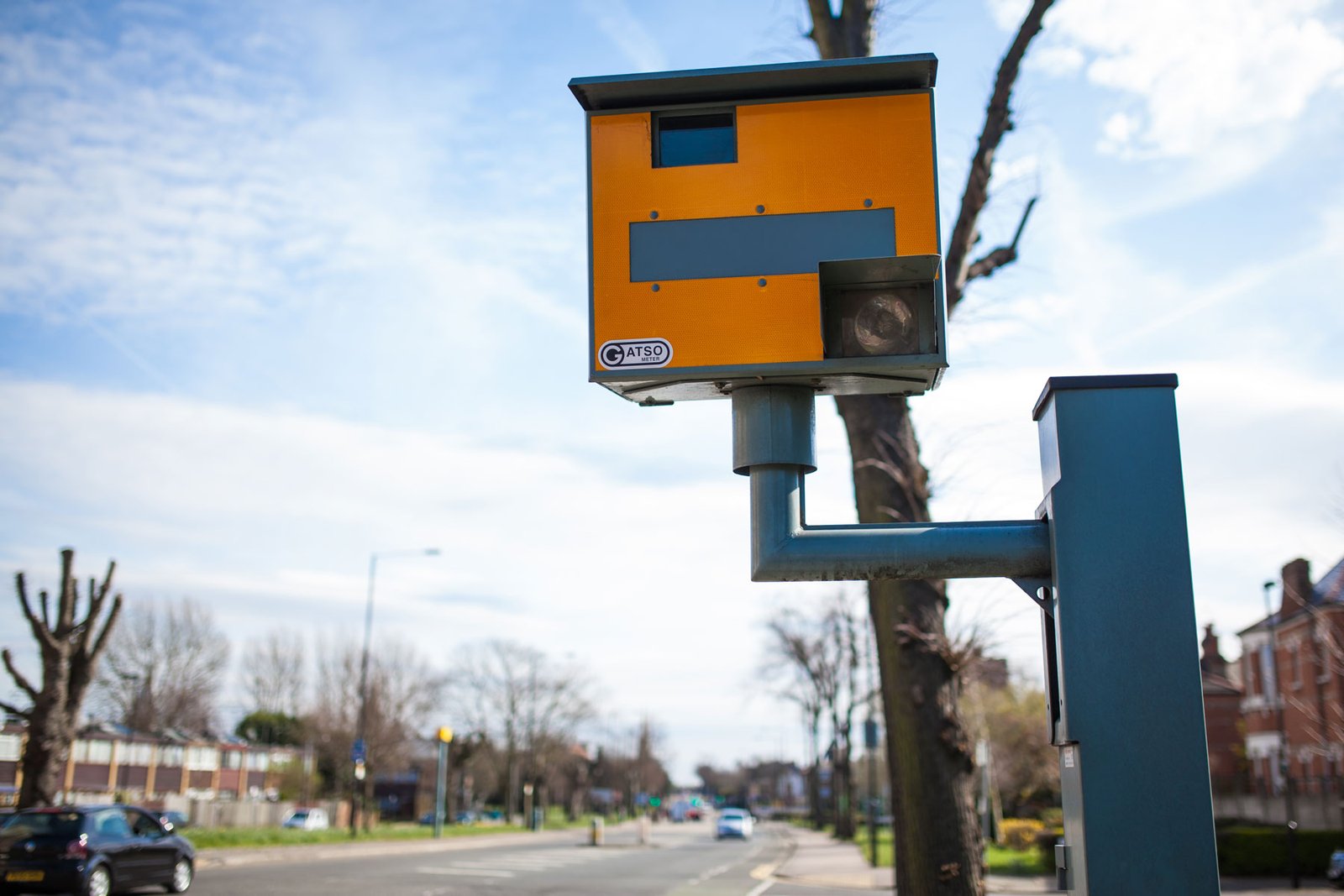
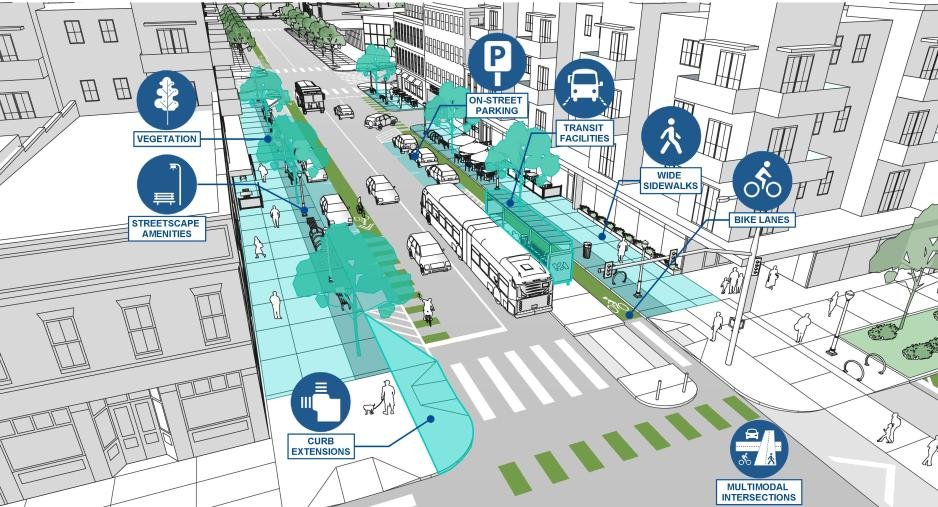
Last week, the Ontario Government announced a bold shift in road safety policy: scrapping speed cameras in favor of funding traffic calming measures like speed bumps, curb extensions, roundabouts, and flashing signs.
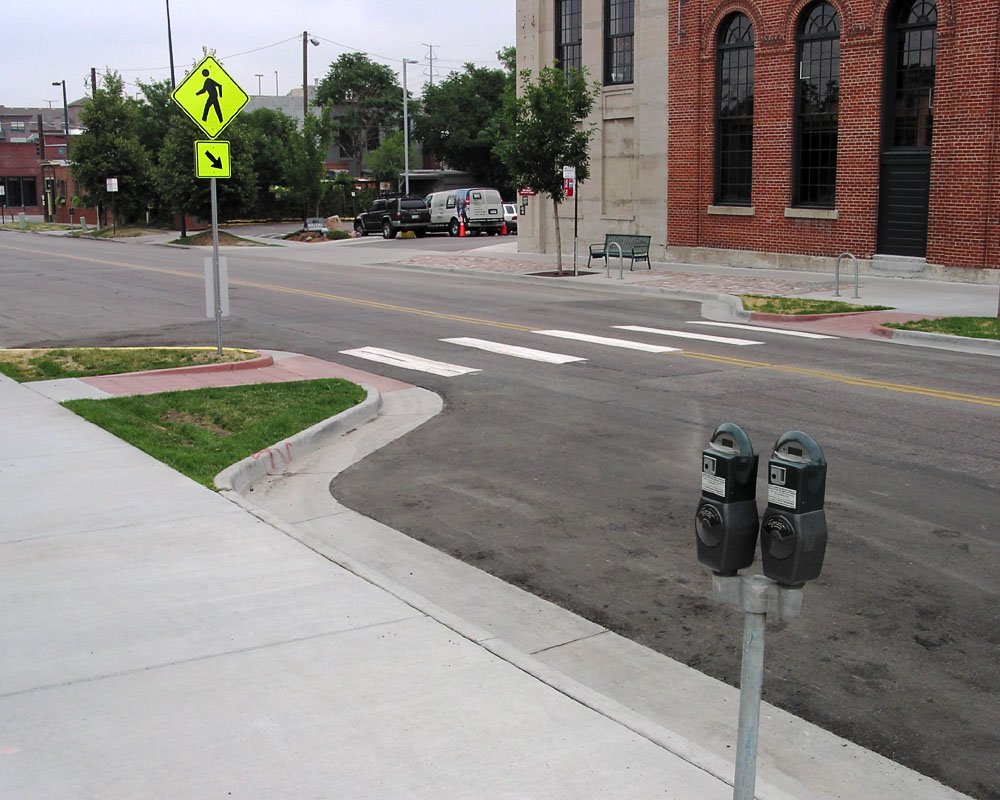
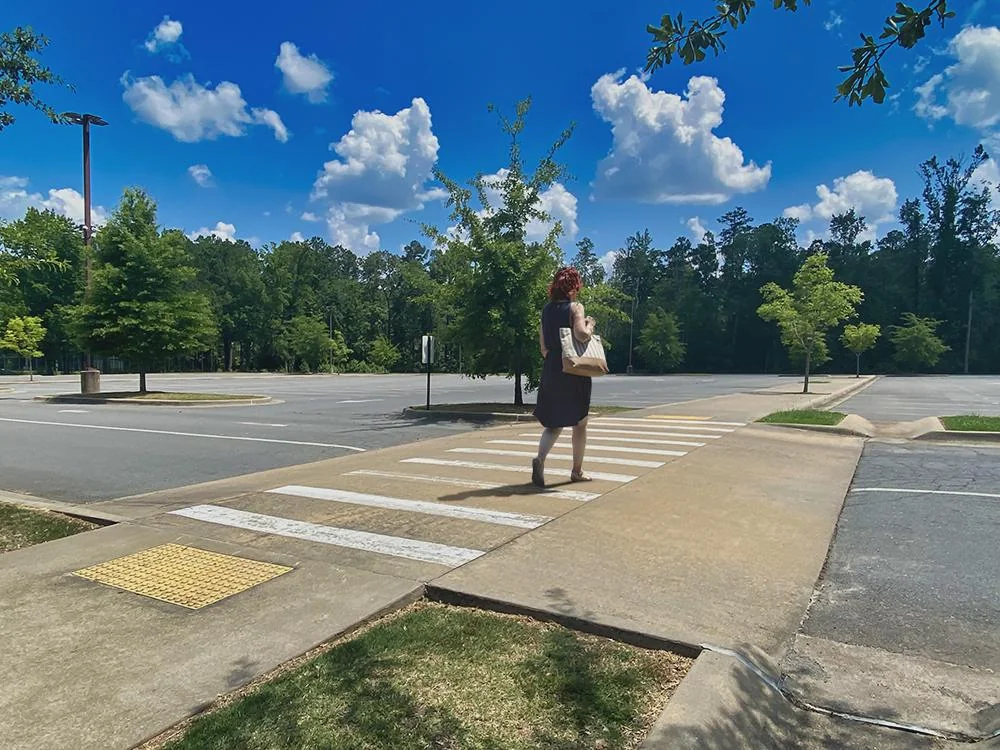
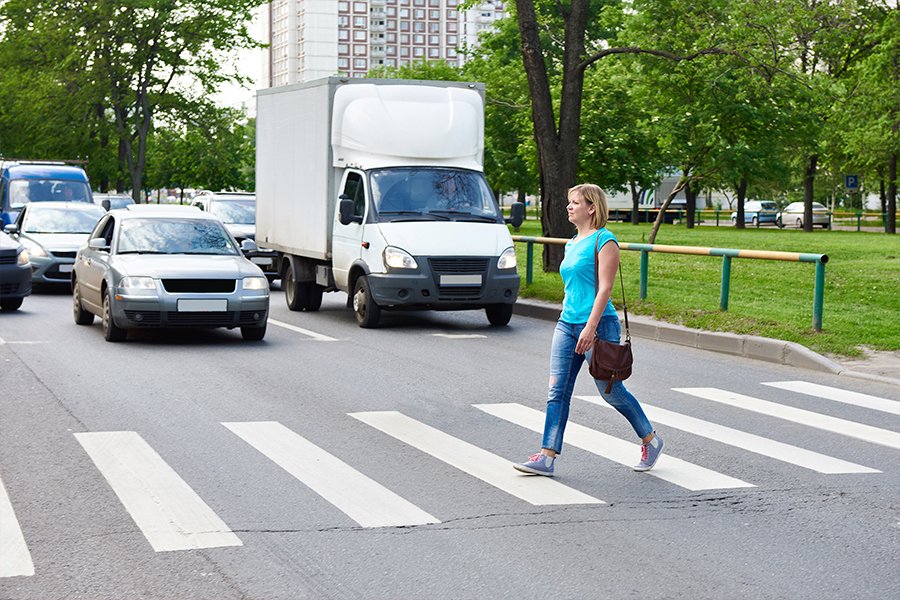
Curb extension and narrowed crosswalk
At Strong Towns Kingsville, we support this move. While speed cameras may act as a temporary fix, they’re merely a bandaid.
“Many residents are concerned about dangerous driving along neighbourhood streets and would like to see measures implemented to help slow traffic and prioritize streets for people walking and cycling.”
This concern remains evident today, with citizens recording and posting acts of speeding in school zones and drivers failing to stop for school buses.
The good news? Kingsville could be eligible for provincial traffic calming funding if we can identify high-need areas, such as school zones or residential streets with speeding issues, and demonstrate clear road safety benefits like reduced speeds and enhanced pedestrian safety.
This is a time-sensitive opportunity to make our streets safer and more inviting for everyone.
We are already taking action to ensure Kingsville seizes this opportunity:
Cataloging Dangerous Areas: Our team is actively documenting hazardous pedestrian crossings and high-risk streets, compiling a report to submit to the Town Administration. This report will strengthen Kingsville’s case for securing provincial funding.
Engaging the Community: We’re organizing community walks to identify problem areas and involve residents in designing safer, more livable streets. These efforts foster collaboration and ensure our streets reflect the needs of our community.
While the provincial funds are not yet available, Kingsville can get a head start. As a citizen, you can make a difference by:
1 – Contact Your MPP: Email MPP Anthony Leardi at anthony.leardi@pc.ola.org to express your support for traffic calming measures in Kingsville. Let him know that safer streets are a priority for our community—not only for safety, but for the freedom of of those who don’t drive, and to make downtown streets friendlier for shopping, dining, and tourism.
2 – Join Our Efforts: Participate in our upcoming community walks and monthly meetups to help identify problem areas and propose solutions. Together, we can make Kingsville’s streets safer for walking, cycling, and living.
3 – Spread the Word: Share this post with friends, neighbors, and local businesses to build momentum for safer, more vibrant streets.
Traffic calming measures don’t just improve safety—they also:
make our neighborhoods more livable
encourage active transportation
boost local businesses by creating pedestrian-friendly environments
Let’s work together to ensure Kingsville secures this funding and transforms our streets for the better.
Thank you for supporting Strong Towns Kingsville and our mission to create a safer, stronger community.
Chad Nantais
Local Leader – Strong Towns Kingsville
Evidence of Superiority of Traffic Calming Over Speed Cameras
While both traffic calming and speed cameras are effective speed reduction tools, studies suggest that traffic calming measures offer superior, more persistent long-term safety benefits due to their reliance on passive, self-enforcing infrastructure changes rather than enforcement.
Here are three key datapoints supporting the long-term safety advantages of traffic calming:
Greater Percentage Reduction in Personal Injury Accidents (PIA):
Data: A comparative study on 30 mph roads found that engineering schemes incorporating vertical deflections (like speed humps or speed cushions) resulted in an average reduction in Personal Injury Accidents (PIAs) of 44%. This was twice the reduction found at sites where safety cameras were used, which averaged a 22% fall in PIAs [1].
Implication: Physical changes to the road are more effective at eliminating accident-causing behaviors than enforcement alone.
Permanent, Self-Enforcing Speed Reduction:
Data: Traffic calming measures, by their nature, are self-explaining and self-enforcing, meaning drivers must slow down to maintain comfort and avoid vehicle damage, irrespective of enforcement presence [2]. For example, one FHWA study on speed humps showed that the proportion of traffic traveling more than 10 mph over the limit dropped from 14% before installation to an average of 1% after installation [3].
Implication: This structural change creates a lasting behavioral change across the entire road segment, whereas the safety effects of speed cameras can be highly localized and may rely on drivers’ awareness of the camera’s location (“halo effect”) [4].
Significant Impact on Fatal and Serious Accidents (Severity):
Data: The same comparative study noted that schemes with vertical deflections were the only type of scheme to have a significant impact on fatal and serious accidents [1]. Furthermore, a systematic literature review concluded that traffic calming interventions consistently reduce both the frequency and severity of collisions [5]. For instance, a study found a 53−60% reduction in the odds of injury or death for children struck by vehicles in neighborhoods with traffic calming [6].
Implication: Traffic calming not only reduces the chance of a crash but fundamentally lowers the kinetic energy of a collision, which is the key factor in determining injury severity and long-term public health outcomes.
Citations:
[1] Allsop, P. (2004). Are speed enforcement cameras more effective than other speed management measures? The impact of speed management schemes on 30 mph roads. ResearchGate.
[2] Road Safety Toolkit. Speed Management and Traffic Calming. (The “self-explaining and self-enforcing” principle of traffic calming).
[3] Federal Highway Administration (FHWA). Module 4: Effects of Traffic Calming Measures on Motor Vehicle Speed and Volume. (Data on speed hump effectiveness on high-speed vehicles).
[4] Insurance Institute for Highway Safety (IIHS). (2015, October 1). Speed cameras reduce injury crashes in Maryland county, IIHS study shows. (Discusses the localized nature of camera effects and the need for “corridors” to enforce speed over a wider area).
[5] MDPI. (2023). Beyond Speed Reduction: A Systematic Literature Review of Traffic-Calming Effects on Public Health, Travel Behaviour, and Urban Liveability. (Notes the consistent reduction in frequency and severity of collisions).
[6] Traffic Logix. Multiple studies found traffic calming solutions reduce speeds, prevent crashes, and save lives. (Citing American Journal of Public Health data on injury/death reduction for children near speed humps).
Is our park so beautiful that it’s worth risking your life to get there?
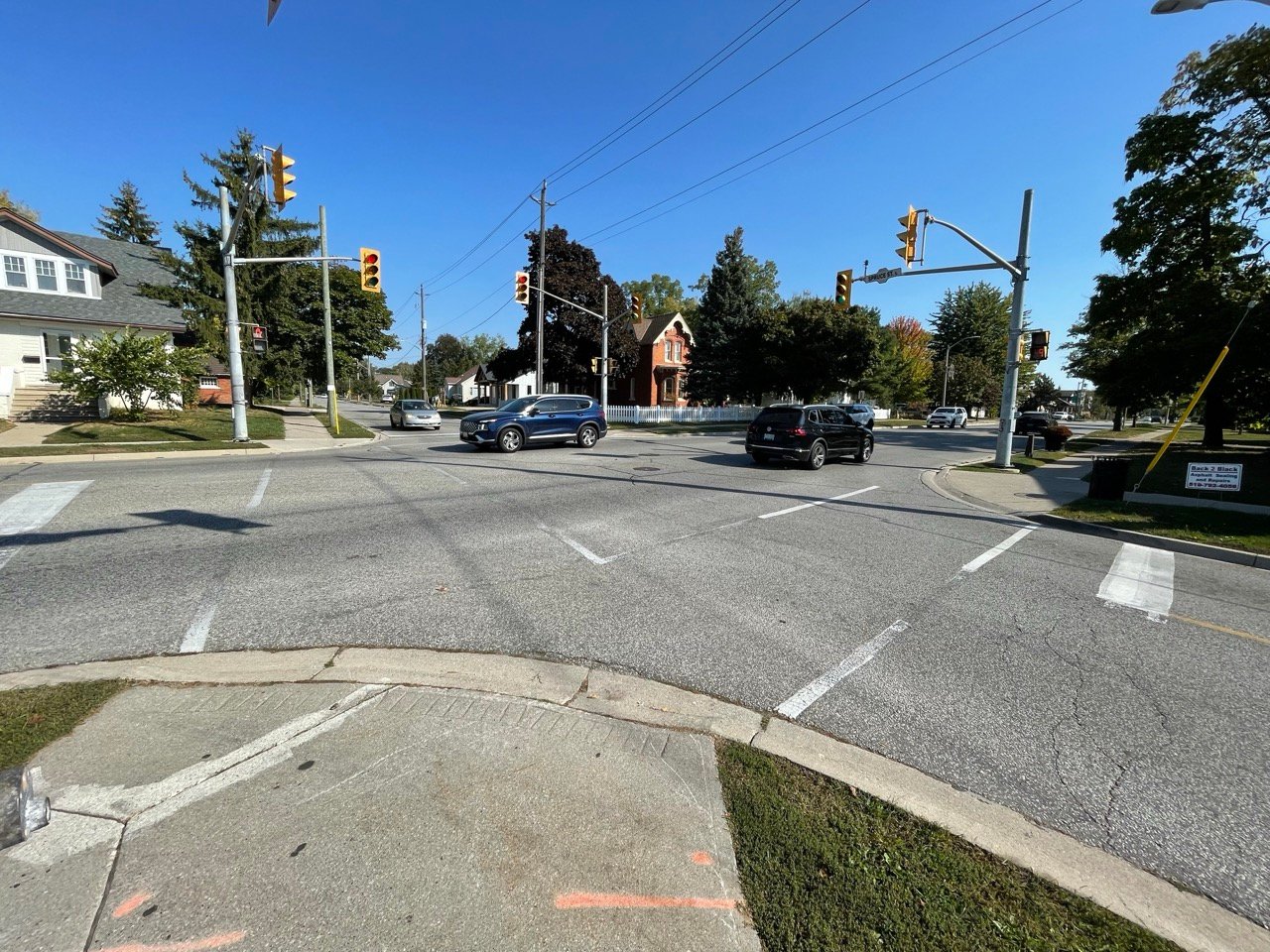
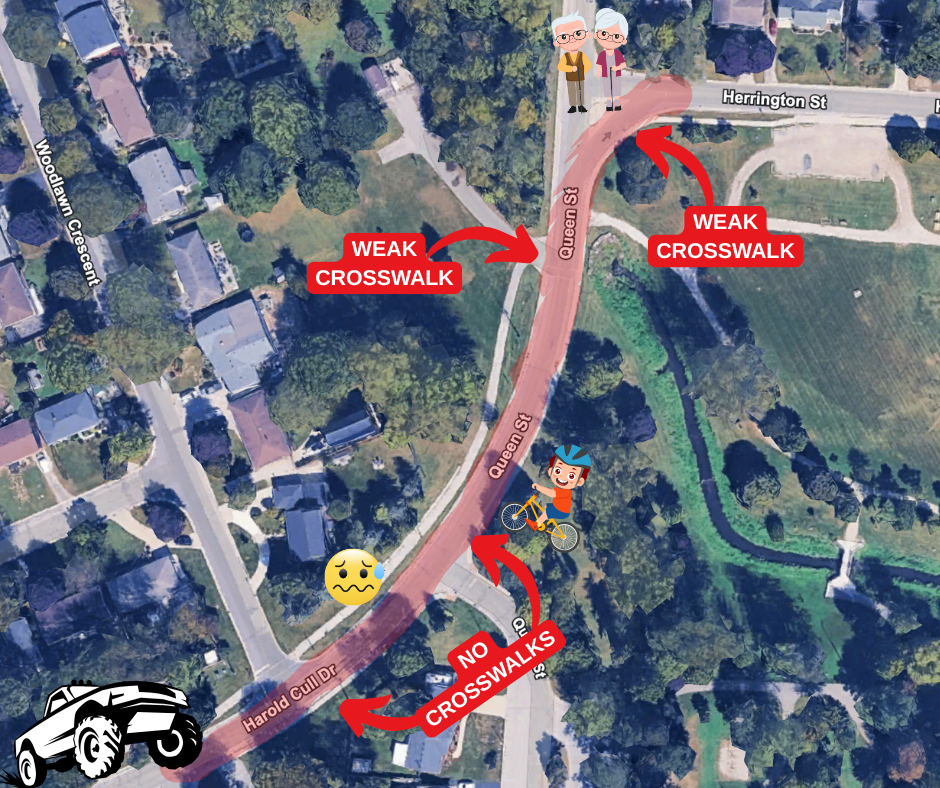
On our walks, my wife and I often feel like we’re dodging death, especially near Lakeside Park, where children play, seniors stroll, and people using walkers or mobility scooters seek a moment of freedom. The problem? Crossing Cull, Queen, or Herrington to reach the park is a gamble due to speeding drivers, faded crosswalks, and poor visibility.
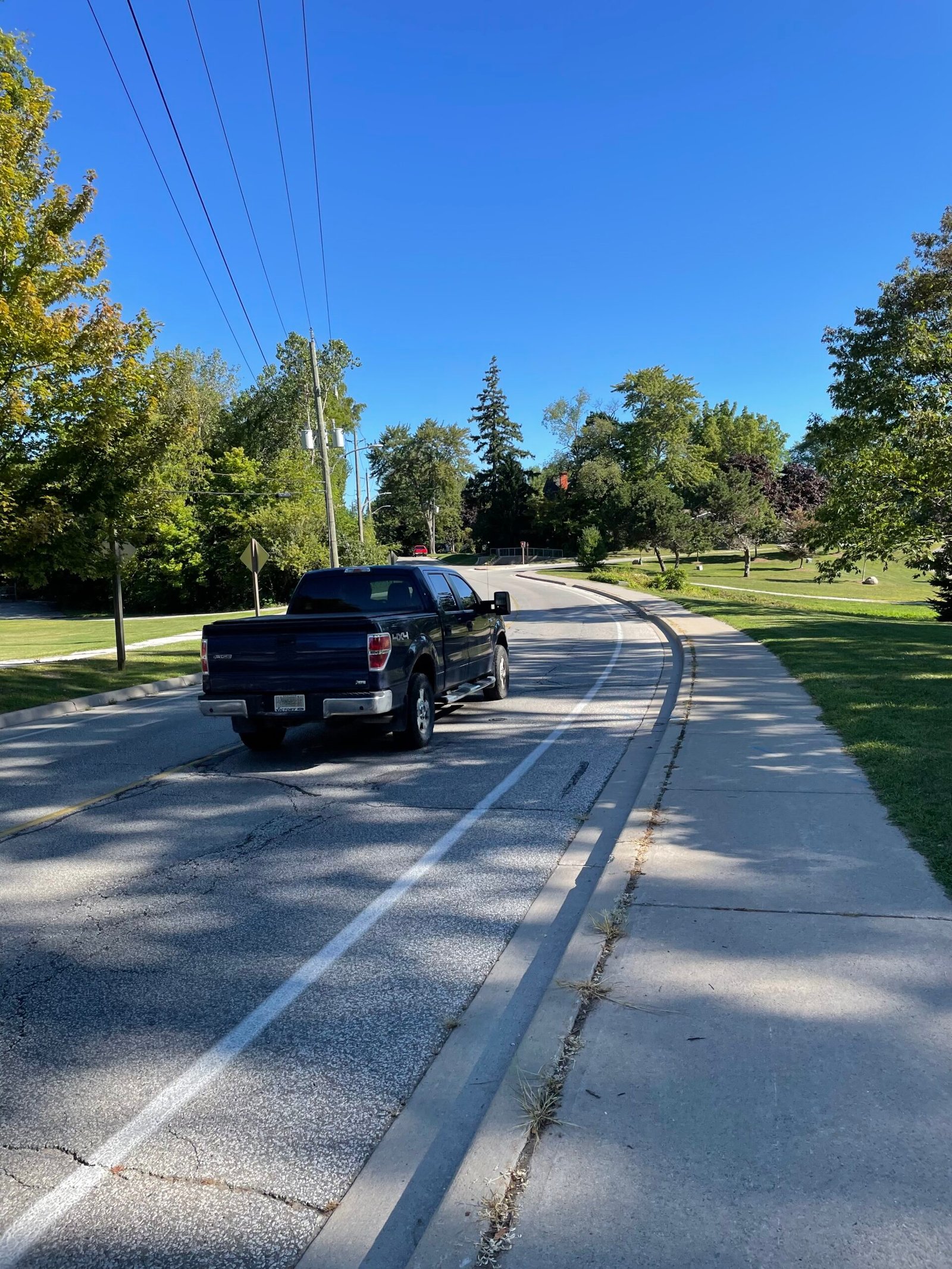
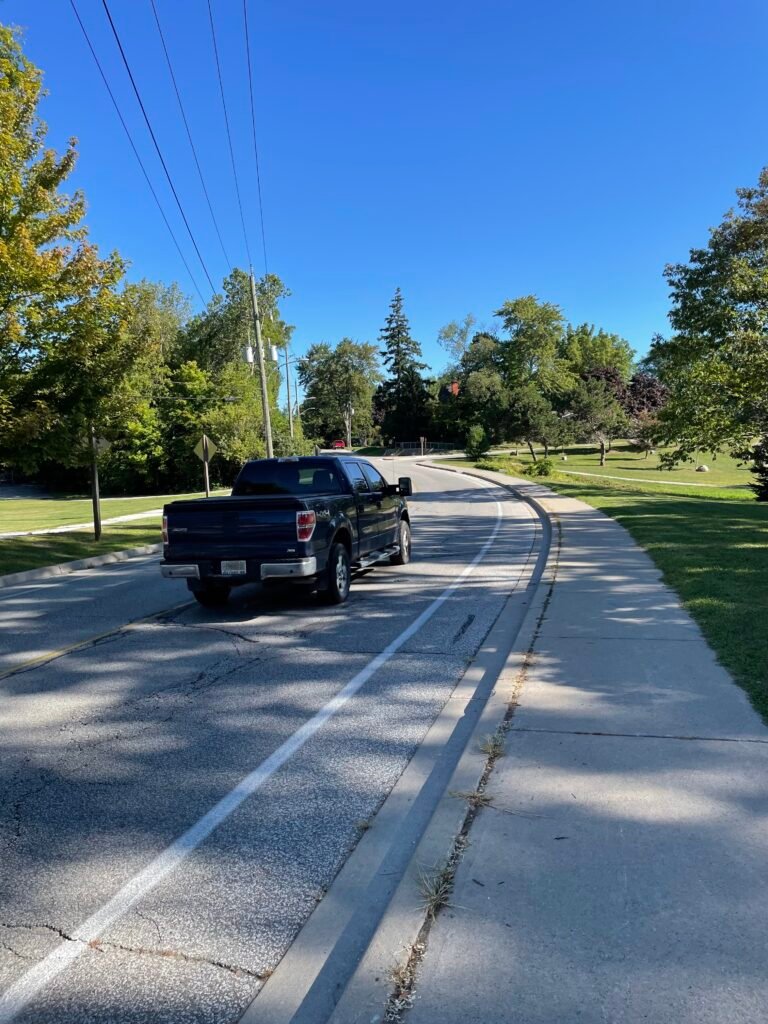
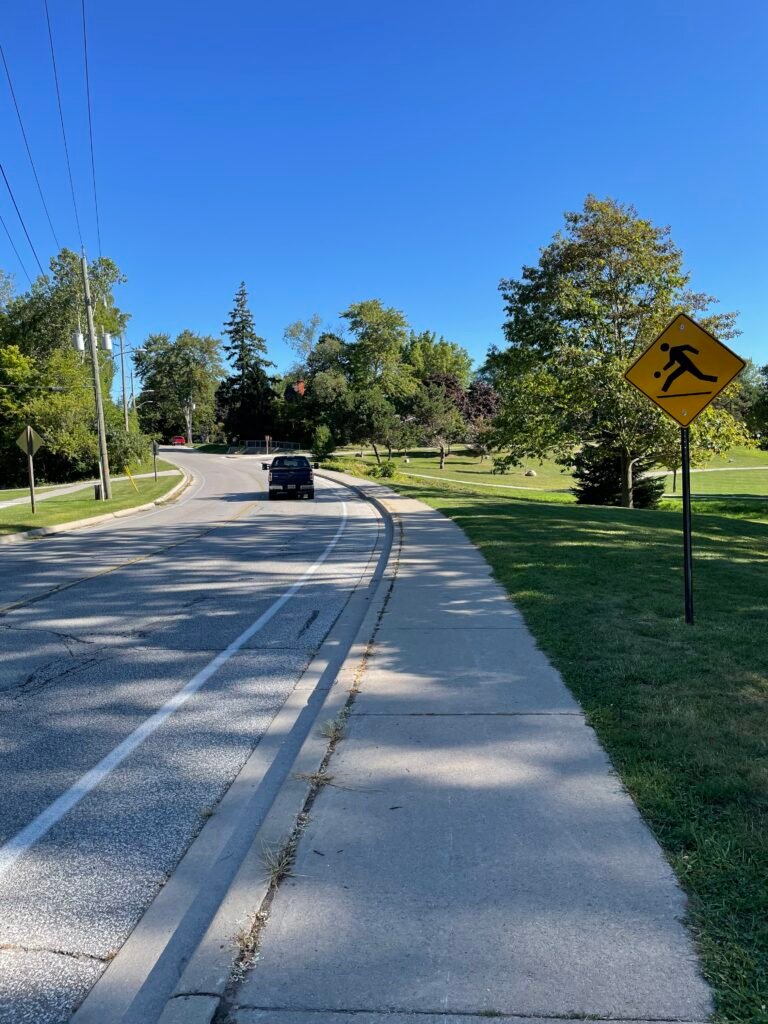
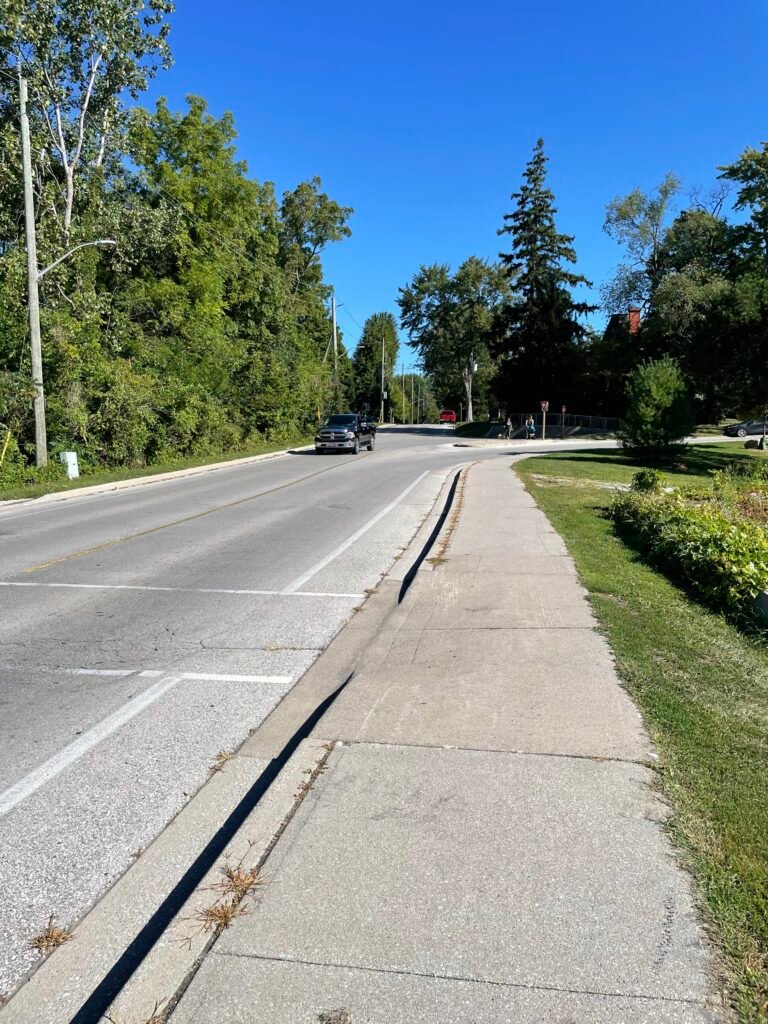
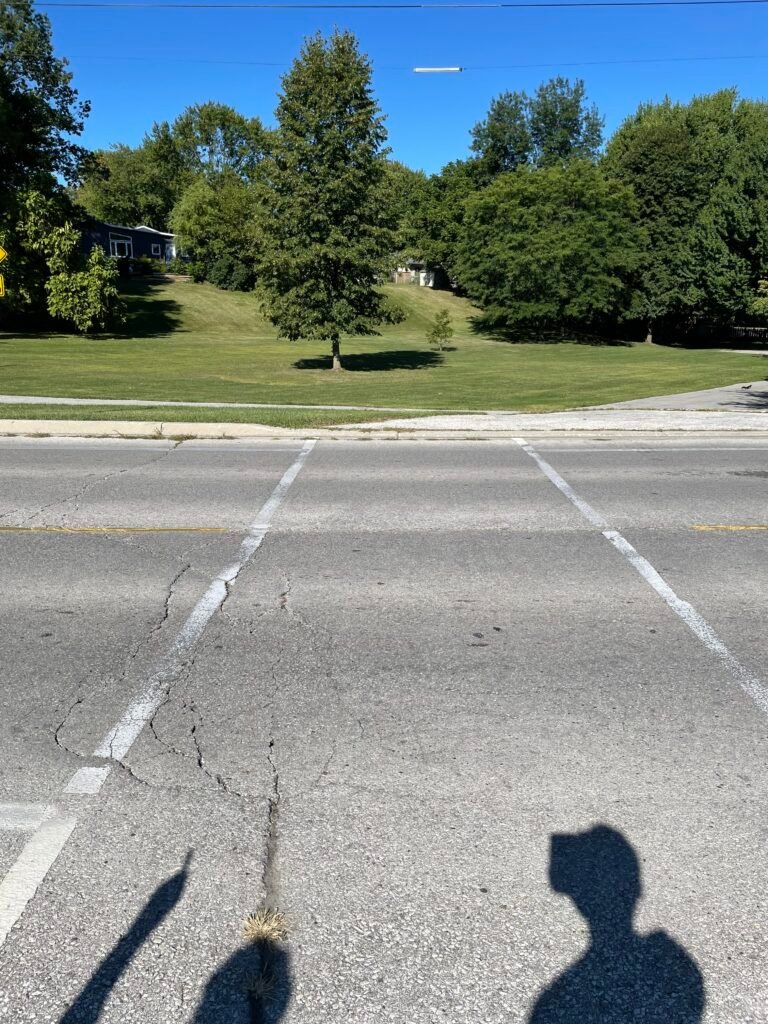
Drivers often speed along Cull Drive, a long, wide road with no street trees to slow them down. The crosswalk on Queen is barely visible—its two thin lines are faded, and tree shadows make them even harder to spot. There’s no sign warning drivers of the crosswalk, and a blind curve on Queen gives eastbound drivers little time to react.
Meanwhile, at least 1,500 residents from the Banar and James subdivisions, plus homes north on Queen, must cross these roads to reach the park. We’ve seen too many roadkills on Cull to ignore the risk to human lives.
Why It’s Urgent
Based on national pedestrian accident rates, we could expect a collision every 10 months in the Cull-Queen corridor. But with high speeds, a blind curve, and inadequate crosswalks, an accident could happen much sooner. Parks are vital for our community’s mental and physical health, and everyone deserves safe access to this sanctuary.
Solutions
Here’s how we can make Lakeside Park’s crossings safer:
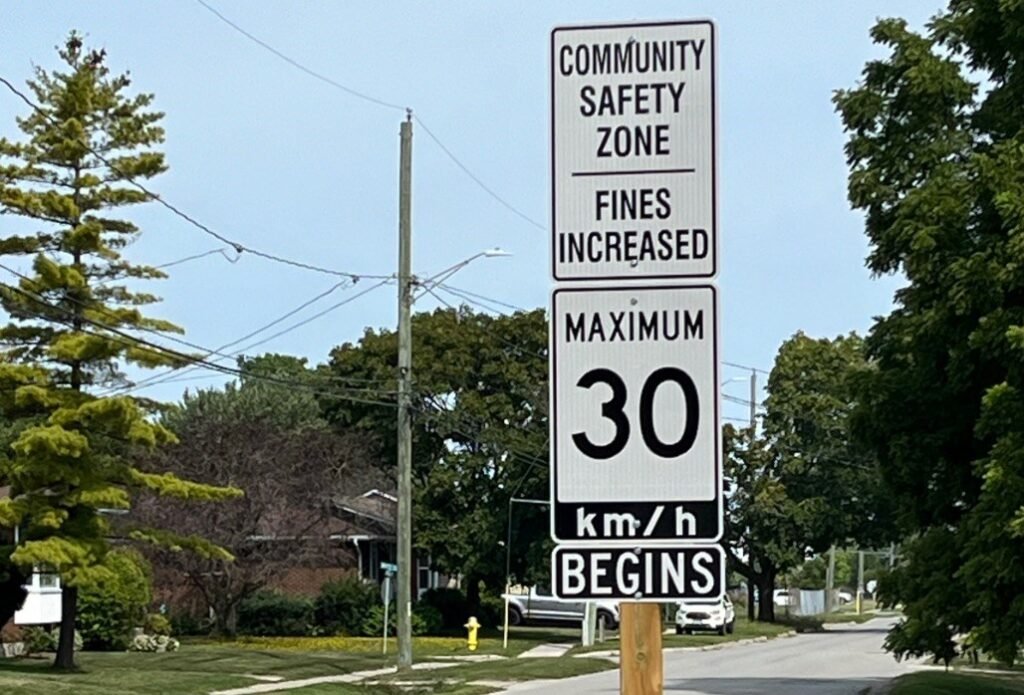
Designate a Community Safety Zone
Lower speed limits, increase fines, and add traffic calming measures around the park, as Leamington has done successfully for its waterfront.
Install Raised Pedestrian Crossings
Replace flat crosswalks with elevated tables to force drivers to slow down and improve visibility.
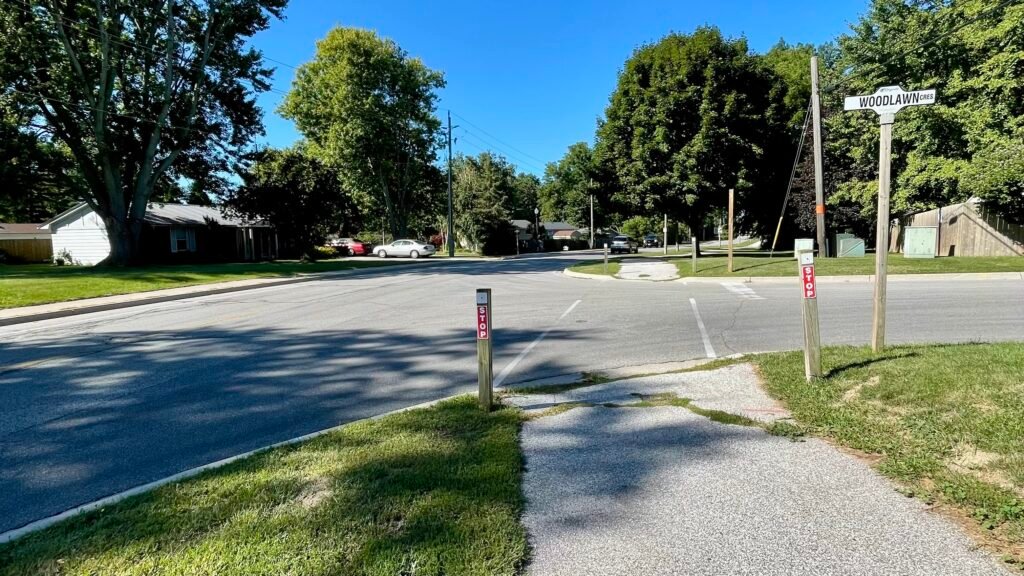
Add a Crosswalk at Cull and Woodlawn
Many pedestrians cross here for better visibility. Formalizing this crossing would enhance safety and signal to Eastbound drivers to slow down as they head into the curve.
Quick Fixes
Upgrade to Zebra Crossings
Replace faded lines with bold, highly visible zebra patterns at all park crossings.
Add Clear Signage
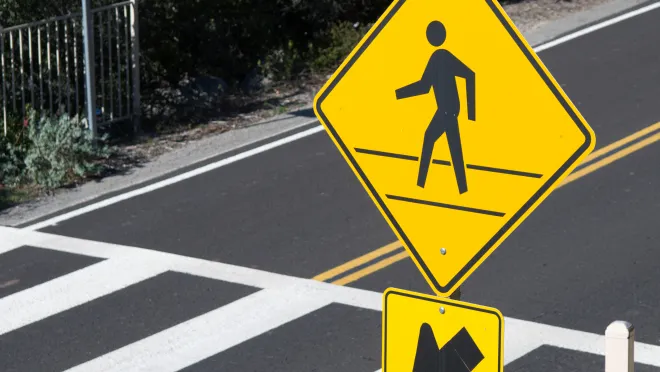
Install “Yield: Pedestrian Crosswalk” signs at each crossing to alert drivers, as the current “children at play” signs are too vague.
Be Part of the Solution
Strong Towns Kingsville is ready to act. We’ll fund and paint zebra crossings ourselves, with no cost to municipal taxpayers, and we’d welcome the Town Administration’s support.
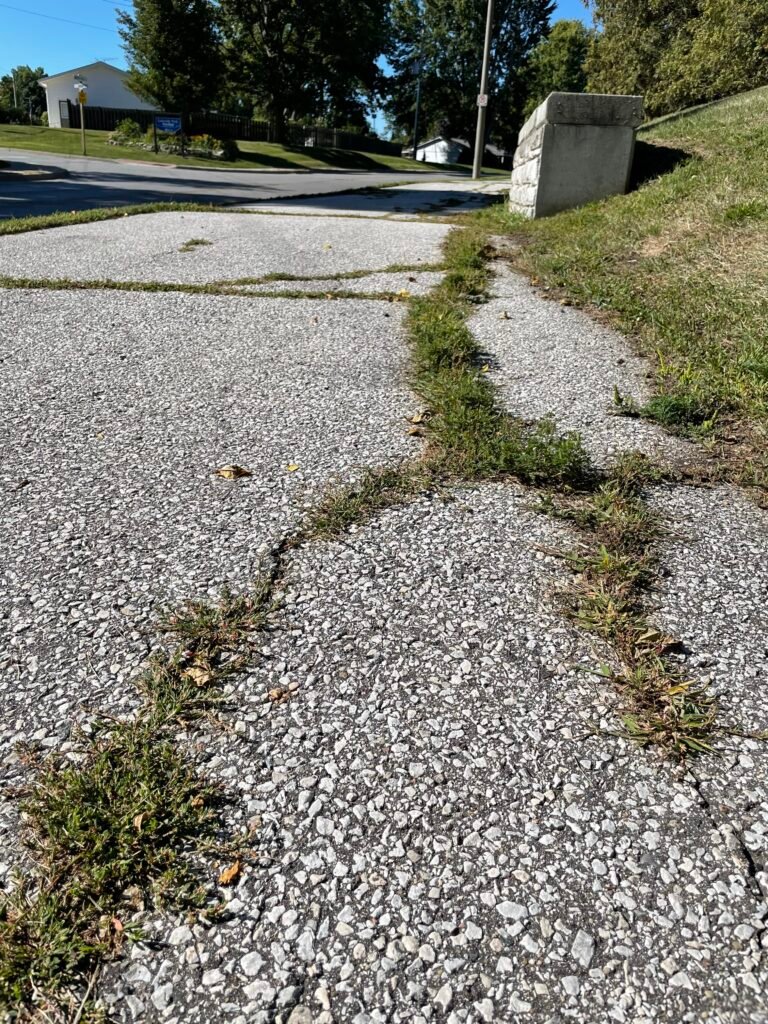
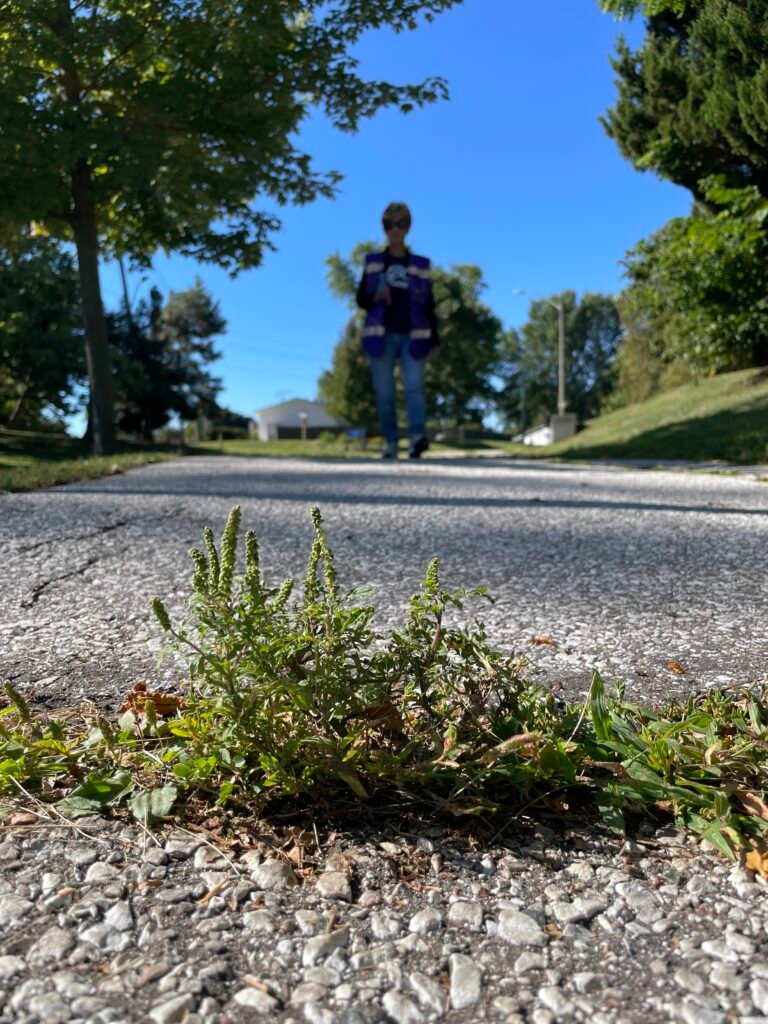
We’re also tackling tripping hazards by removing weeds from the multi-use path’s cracks, using an eco-friendly vinegar solution. Join us this month to help—reply below or email us at info@kingsvillestrong.com!
Cull Drive’s design encourages highway speeds, not the safe, small-town pace we need. A driver’s license is a privilege, not a right to speed through our community in a 6,000-pound vehicle. Let’s work together to prevent a tragedy and ensure Lakeside Park is accessible to all.
Update – Oct 10, 2025
I reported this dangerous pedestrian crossing to the Town of Kingsville and they responded by repainting the crossing lines within 2 weeks. Report other dangerous crossings to requests@kingsville.ca.
Thanks for your support,
Chad Nantais Local Leader — Strong Towns Kingsville
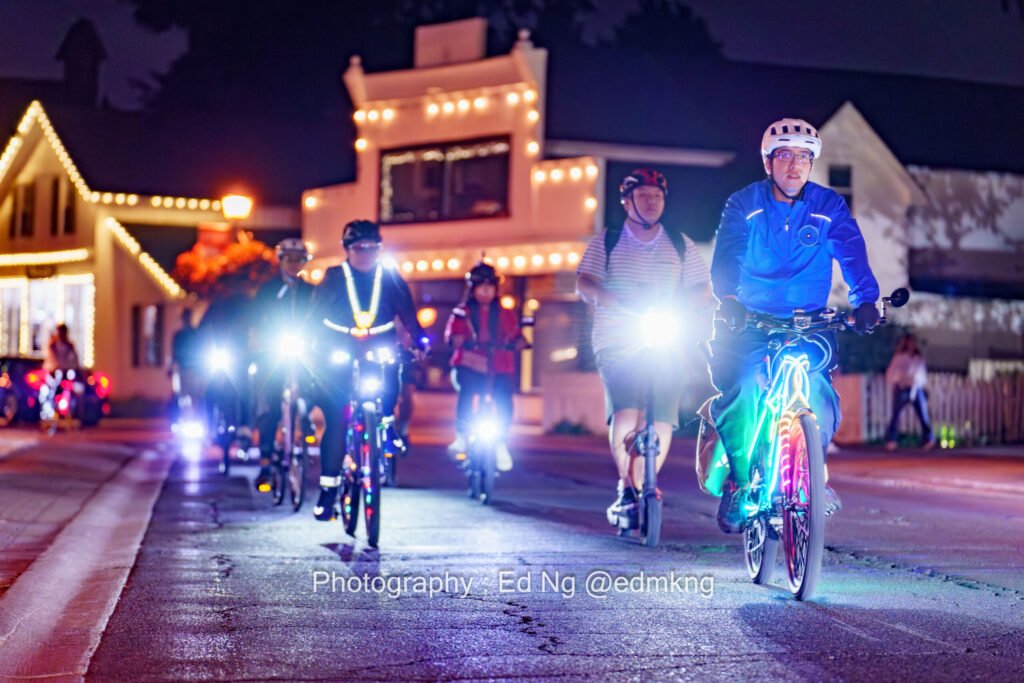
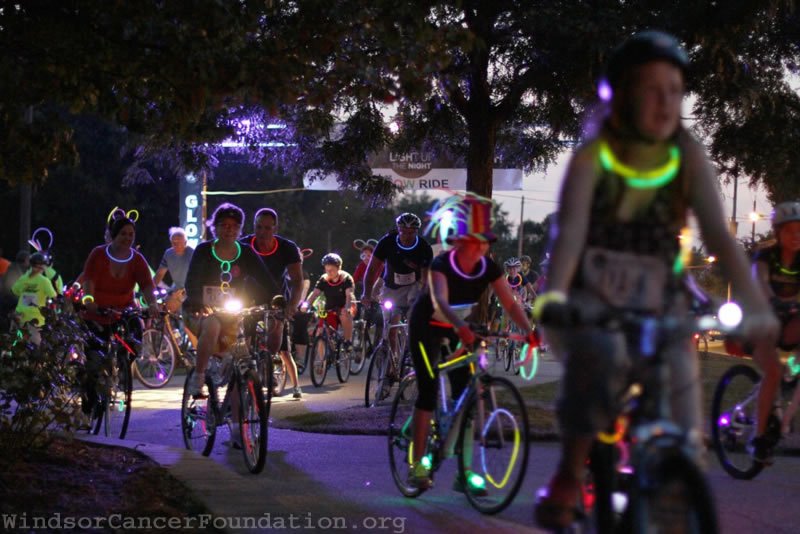
Join us on a slow ride to light up our streets, promote cycling and have fun. Imagine the Fantasy of Lights, but on wheels!
Secure your spot by filling out the registration form today!
Event details:
On Friday, September 12, check in at the Carnegie Arts Center after 7:00 PM to glow up your bikes and join the rider orientation for a safe and fun ride.
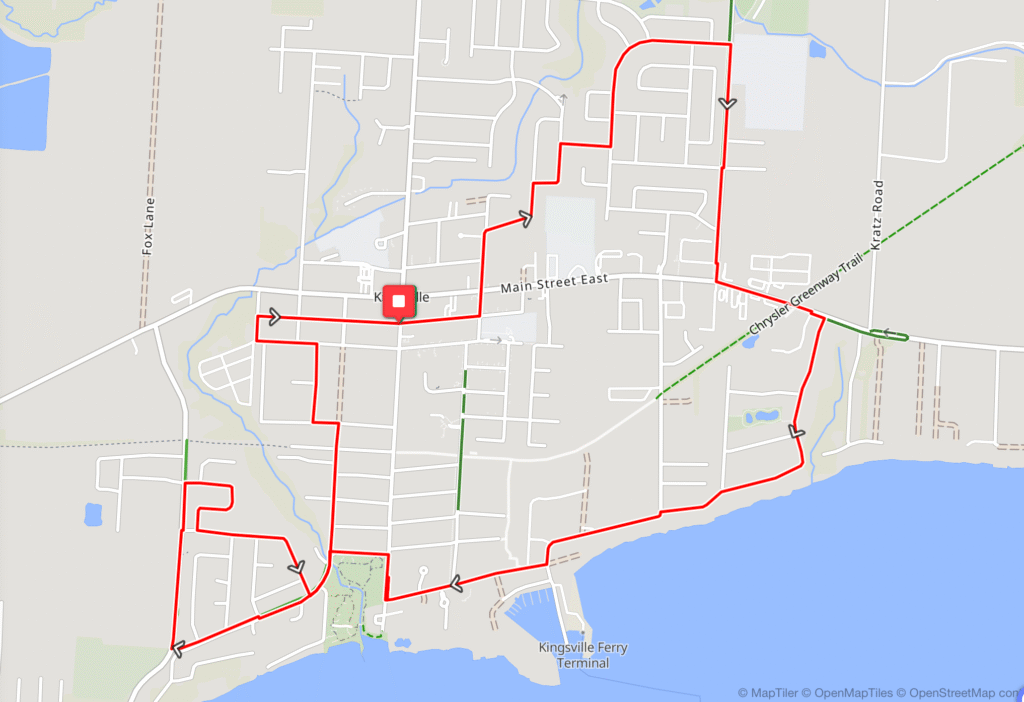
We’ll head out at 8:00 PM on an 11 km course, finishing back at the Carnegie around 9:00 PM before heading to the Banded Goose to continue the fun.
– REGISTRATION CLOSED –
Children are welcome, but must be closely supervised at all times.
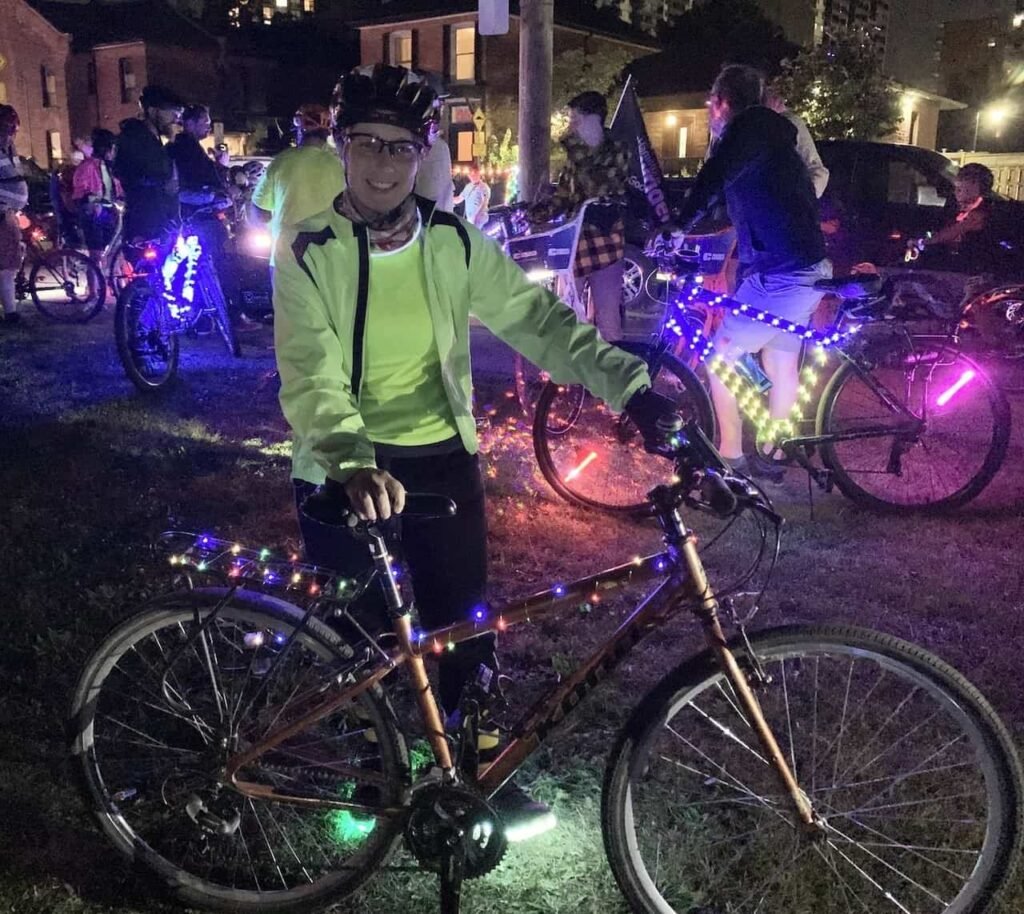
Examples of what the Kingsville Glow Ride will be like
For a glow bike ride, you’ll primarily need lights, reflectors, and potentially some decorative glow items. You can find these at various stores, including bike shops, outdoor retailers, and even some general merchandise stores like Canadian Tire, Walmart or Amazon. Additionally, specialty stores or online retailers like Glow Warehouse offer a wider variety of glow-in-the-dark or LED bike accessories.
Key Items to Consider:
Front and Rear Bike Lights: Essential for visibility, especially on unlit paths.
Reflectors: Improve visibility to other road users.
Reflective Tape: Can be applied to your bike frame, helmet, or clothing.
Glow Sticks/LED Strips: For adding decorative glow to your bike and yourself.
Hydration Pack: Staying hydrated is important, especially during longer rides.
Bike Repair Kit: Always good to have on hand for unexpected issues.
Don’t forget to check your local bike shop first (Kingsville Cycle Works) before shopping elsewhere.
We can’t afford to keep increasing vehicle traffic for another 30 years. Act now—support Alternative #3 in the Essex County Transportation Master Plan for development of multi-modal networks that integrate walking, biking, and transit. It will define our mobility for the next two generations.
Take action to support multi-modal transportation infrastructure for Essex County.
The deadline to submit your comments is July 31, 2025.
Send your support for “Alternative #3” to the Consultant Project Manager and the Manager for Transportation Planning and Development using the contact details below.
Anything short of Alternative #3 will leave Essex County dependent on cars for the next 50 years, while the rest of the world moves on to multi-modal transportation (walk, ride, bus, rail).
Send your comments to these contacts:
Jerry Behl, P. Eng., PMP, PTOE, RSP1 Manager, Transportation Planning and Development County of Essex 360 Fairview Avenue West, Suite 315 Essex, ON N8M 1Y6 519-776-6441 ext. 1316 JBehl@countyofessex.ca
Alvaro L. Almuina, P. Eng., M. Eng., PMP, DCE Consultant Project Manager R.J. Burnside and Associates Limited 128 Wellington Street West Suite 301 Barrie, ON L4N 8J6 1-800-265-9662 ext. 4383 Alvaro.Almuina@rjburnside.com