What’s Inside:
- The Hidden Costs: How new developments can strain our roads and wallets.
- Growth for Whom?: Why some residents are left behind as the town expands.
- Building to Last: Why we need to fix what we have before chasing more.
- Your Role: How you can help shape a Kingsville that works for everyone.
Join our Webinar: Solving Kingsville’s Traffic Challenges
As Kingsville grows, traffic is reshaping our community. Concerned? Join us for actionable solutions!
Free Live Webinar: July 15, 2025, at 7:00 PM EDT
Topic: “What Can We as Citizens Do About Traffic in Kingsville?”
Learn how growth affects traffic, explore ways to keep streets calm and walkable, and get involved in our town’s future.
Spots are limited—reserve yours now!
Population growth is often celebrated as a sign of success. More people moving to a town can feel like validation—a signal that the community is vibrant and on the rise. But is that always the case? Not necessarily. In fact, population growth can sometimes mask deeper issues, leaving towns financially strained and unprepared for the future.
In Kingsville, we’re seeing this firsthand. Our population is growing, but is our town truly thriving? Let’s explore what it really means for a community to succeed—and why growth alone isn’t the answer.
The Growth Myth: Bigger Isn’t Always Better
It’s easy to assume that a growing population means a town is flourishing. After all, more residents can bring fresh energy and a sense of momentum. But as Paul Gottlieb points out in his article, “Population Growth Means a City Is Thriving, or Does It?,” this assumption can be misleading.
Charles Marohn, founder of Strong Towns, takes it a step further, calling unchecked expansion a “growth Ponzi scheme.” Here’s how it works: towns chase new development for quick revenue—think permit fees and property taxes—but fail to account for the long-term costs. New roads, utilities, and services are expensive to maintain, and when the initial boom fades, towns are left with infrastructure they can’t afford. It’s a cycle that prioritizes short-term gains over lasting stability.
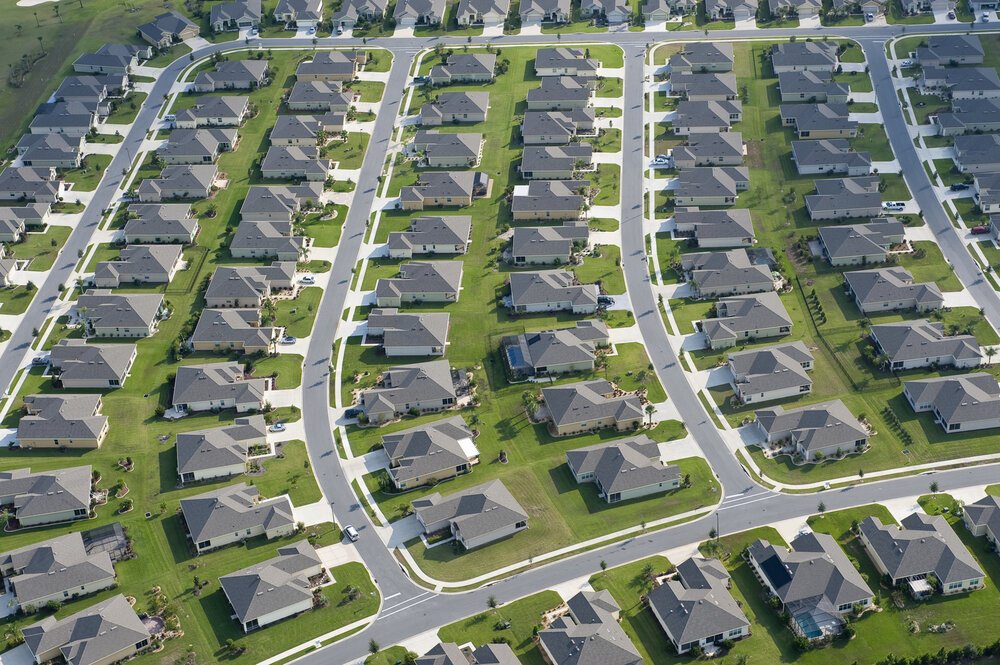
In Kingsville, we’re witnessing this pattern. New neighborhoods are sprawling further from downtown, but are we planning for the long haul? Or are we setting ourselves up for a future of budget shortfalls and crumbling infrastructure?
The Hidden Costs of Growth
Population growth doesn’t just strain finances—it puts pressure on every part of a community. More people mean more demand on roads, schools, water systems, and public services. Without careful planning, these costs can spiral out of control.
Are we growing in a way that we can sustain 20, 50, or even 100 years from now?
Consider this: a town might build a new subdivision to accommodate 500 new residents. The initial tax revenue looks great, but over time, the cost of maintaining the expanded infrastructure—think road repairs, sewer lines, and emergency services—can outweigh the benefits. In Kingsville, this isn’t just a hypothetical. We’re already grappling with a $4-million infrastructure deficit, meaning we’re falling behind on keeping our town functional. The recent $7.4 million in provincial funding for housing infrastructure helps ease the burden, but it’s a temporary fix—not a sustainable solution. Suddenly, the town is bigger, but not better.
In Kingsville, we need to ask ourselves: Are we growing in a way that we can sustain 20, 50, or even 100 years from now? Or are we chasing numbers without considering the long-term impact?
Growth Doesn’t Guarantee Prosperity for All
Another misconception is that population growth automatically leads to shared prosperity. But as Gottlieb’s article highlights, that’s not always true. Take Chicago, for example: the city has lost population in recent years, yet its overall wealth has increased. This shows that a town’s success isn’t tied to headcount alone.
In Kingsville, we must ensure that growth benefits everyone, not just a select few. National trends show income inequality at record highs, with the gap between the wealthy and the rest widening every year. As our town expands, are new jobs accessible to residents? Are housing options affordable for all income levels? If growth only lifts some while leaving others behind, it’s not true prosperity—it’s inequality in disguise.
What Does a Thriving Town Really Look Like?
So, if population growth isn’t the ultimate measure of success, what is? Here are three key pillars to consider:
1. Sustainability
A thriving town builds for the future, not just the present. That means investing in infrastructure that’s efficient, maintainable, and adaptable. It means lots of grassroots businesses created by locals, for locals. It also means protecting natural resources and planning for environmental challenges. In Kingsville, are we making choices that our grandchildren will thank us for?
2. Equity
True success means opportunity for all. A town can’t thrive if only some residents or outside investors reap the rewards of growth. We need policies that promote fair access to jobs, housing, education, and public spaces. Are we creating a Kingsville where everyone has a chance to succeed?
3. Resilience
A strong town can weather storms—both literal and figurative. That means having a diverse economy and a community that supports one another. Can Kingsville handle economic downturns or disasters without relying on endless expansion or handouts from the Province?
Are we making choices that our grandchildren will thank us for?
Let’s Build a Kingsville That Truly Thrives
Growth isn’t inherently bad—it’s how we manage it that matters. In Kingsville, we have an opportunity to grow smarter, not just bigger. That starts with asking tough questions and making intentional choices.
Here are a few ways we can start:
- Prioritize maintenance over expansion. Before building new, let’s care for and reuse what we already have. We don’t have to sacrifice more good farmland or forests.
- Invest in walkable, mixed-use neighborhoods. These designs reduce infrastructure costs and foster community. When we build things closer together, we don’t have to drive so far.
- Promote inclusive growth. Ensure that new developments include affordable housing and accessible public spaces.
We need your voice—whether you’re a community leader or a citizen who cares. What does a thriving Kingsville look like to you? How can we grow in a way that benefits everyone?
Join the conversation: Take action on Kingsville’s traffic
As our town expands, so do the challenges—like increased traffic that’s changing the heart of our community. If you’re concerned about what this means for Kingsville’s future, we have solutions.
Join us for a free, live webinar on July 15, 2025, at 7:00 PM EDT: “What can we as citizens do about traffic in Kingsville?”
You’ll learn practical ways to preserve our town’s charm and make our streets safer for everyone—no matter how much we grow.
- Discover how growth impacts traffic and what we can do about it
- Explore simple solutions to keep Kingsville’s streets calm, walkable and bike-friendly
- Ask your questions and get involved in shaping our town’s future
Reserve your spot in the July 15th webinar!
Spots are limited—don’t miss out!
Chad Nantais
Local Leader
Strong Towns Kingsville
Related: