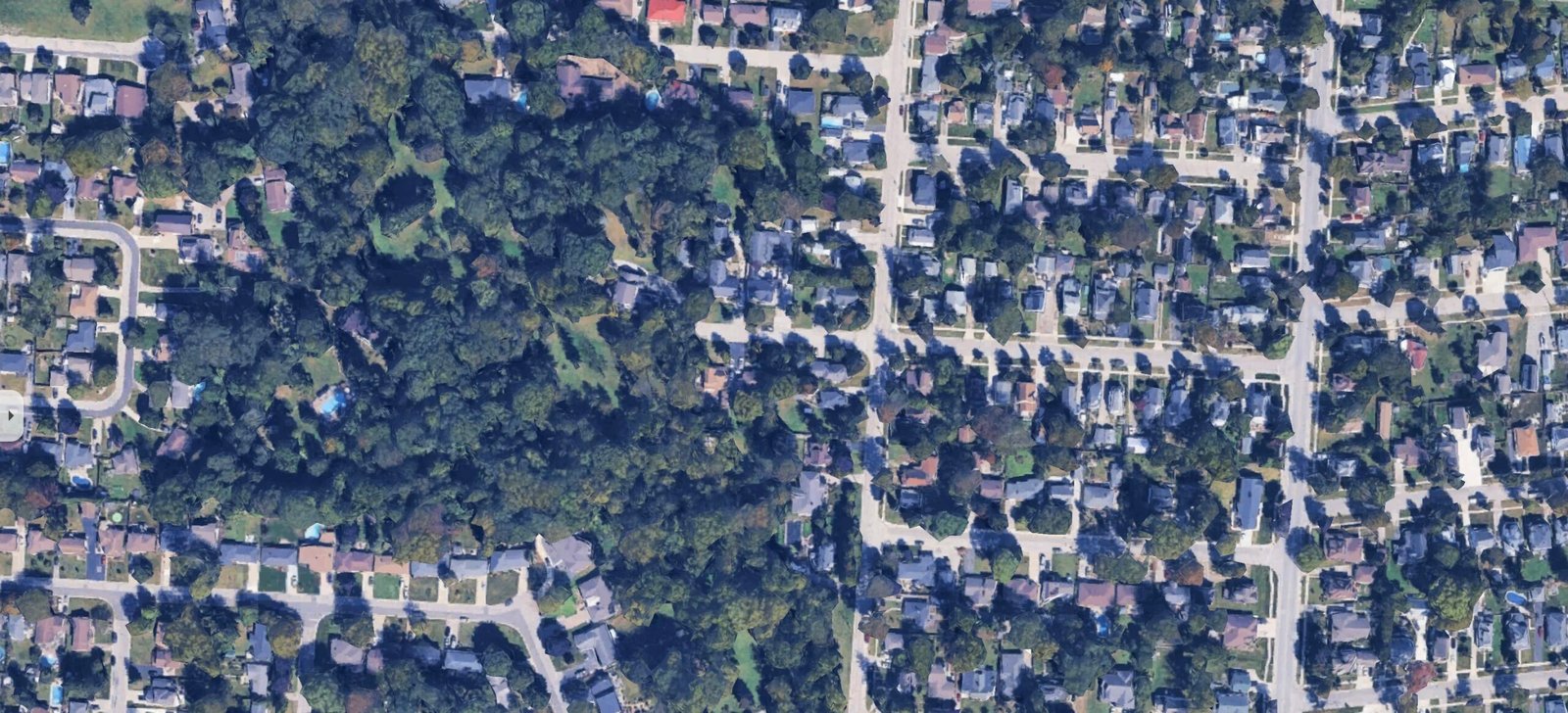
Author: Chad Nantais

  • Why We’re Mapping Kingsville’s Trees

    Why We’re Mapping Kingsville’s Trees

    Your tax bill is connected to a tree you’ve never thought about.

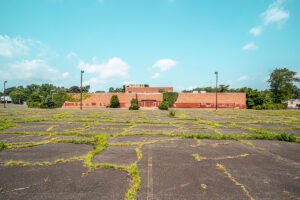
    The asphalt out front of your house bakes in direct sun all summer. It cracks earlier, ruts deeper, and gets repaved sooner than asphalt that sits in shade. Your air conditioner runs harder.

    When it rains hard, the storm drain at the corner backs up because there’s nothing slowing the water down before it hits the grate.

    These costs don’t disappear — they get paid, just not in any line item that says “we cut down too many trees.” They get paid in tax bills, utility bills, and the slow, expensive work of replacing infrastructure that died younger than it should have.

    A mature street tree changes that math. It shades pavement and extends its life. It absorbs hundreds of gallons of stormwater per storm. It cools nearby buildings enough to show up in cooling bills. It raises the value of properties around it. None of this is sentiment. It’s just the basic economics of municipal infrastructure.
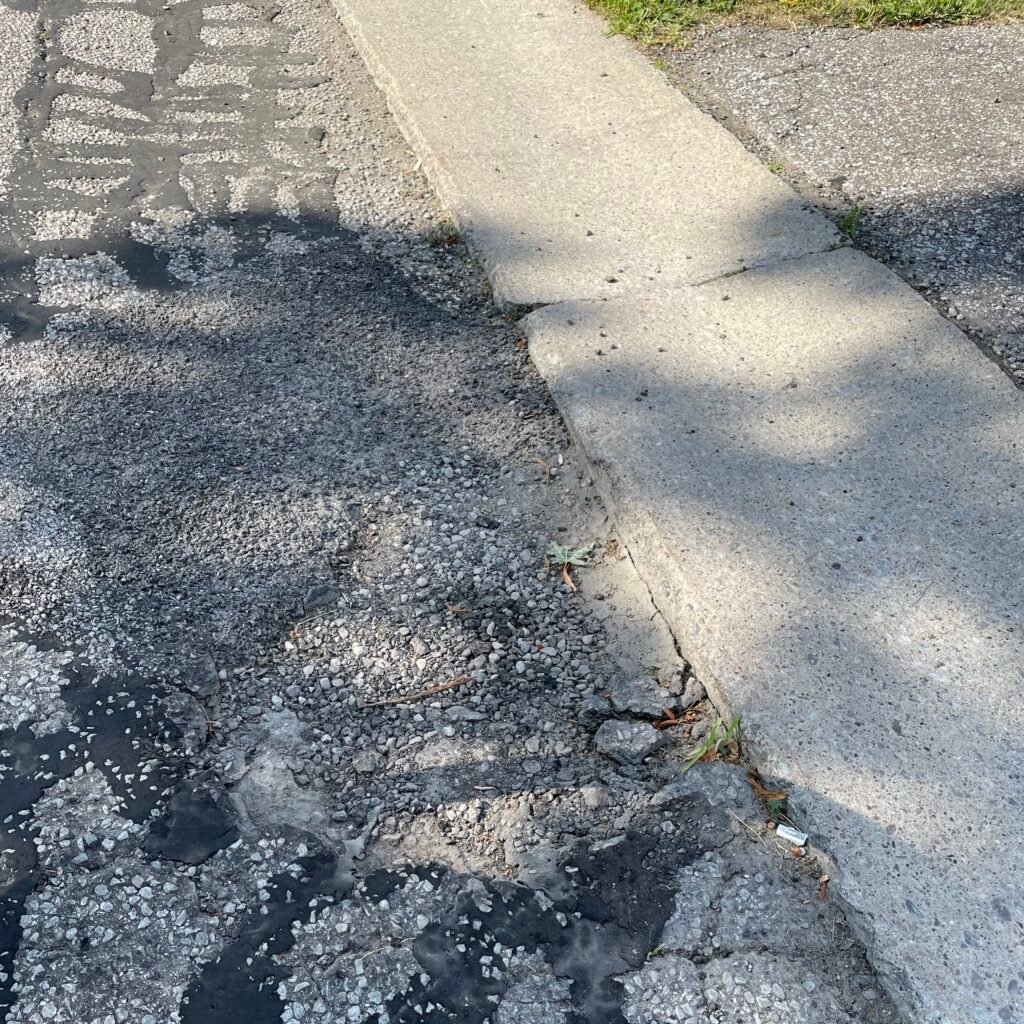
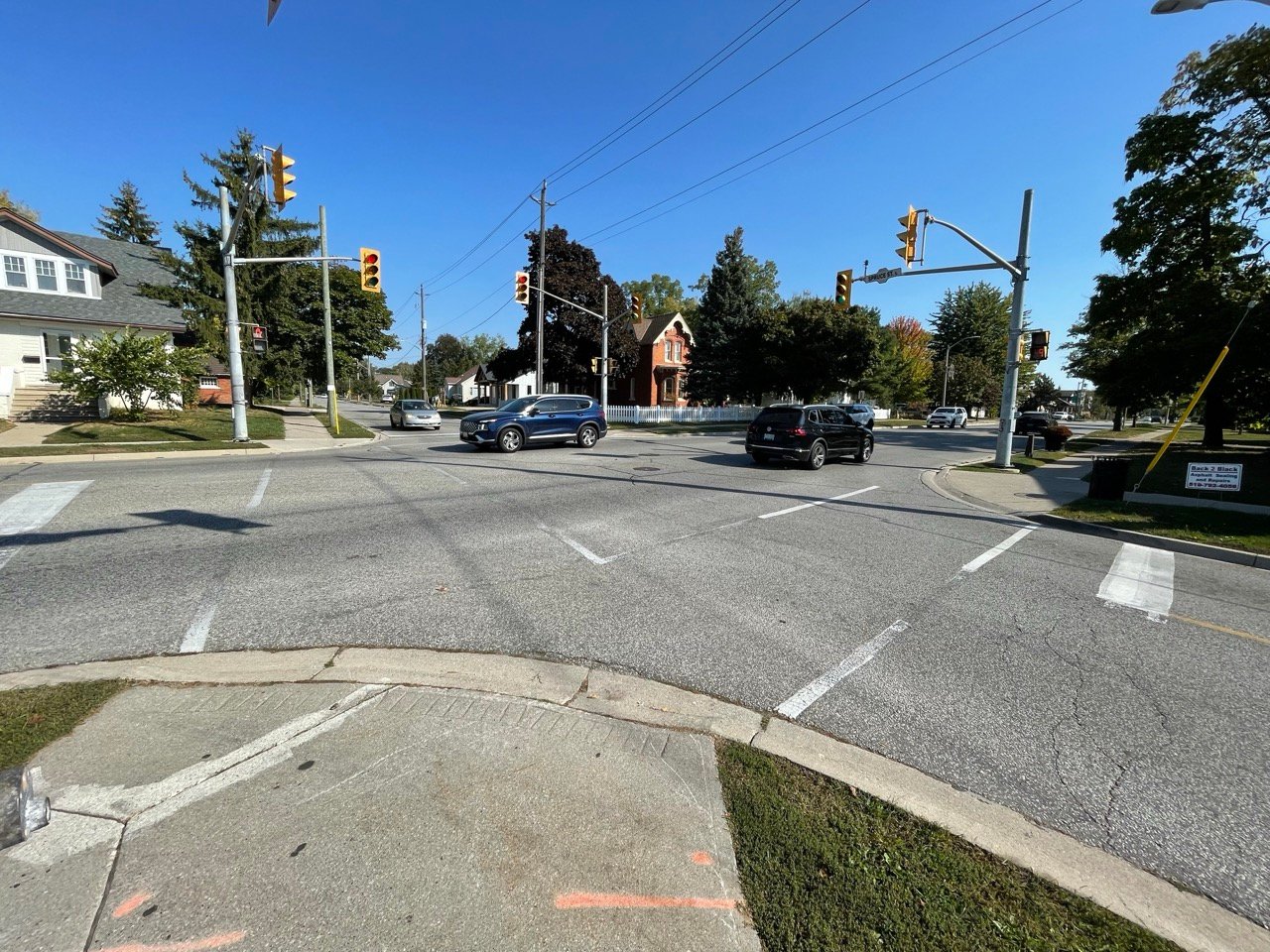
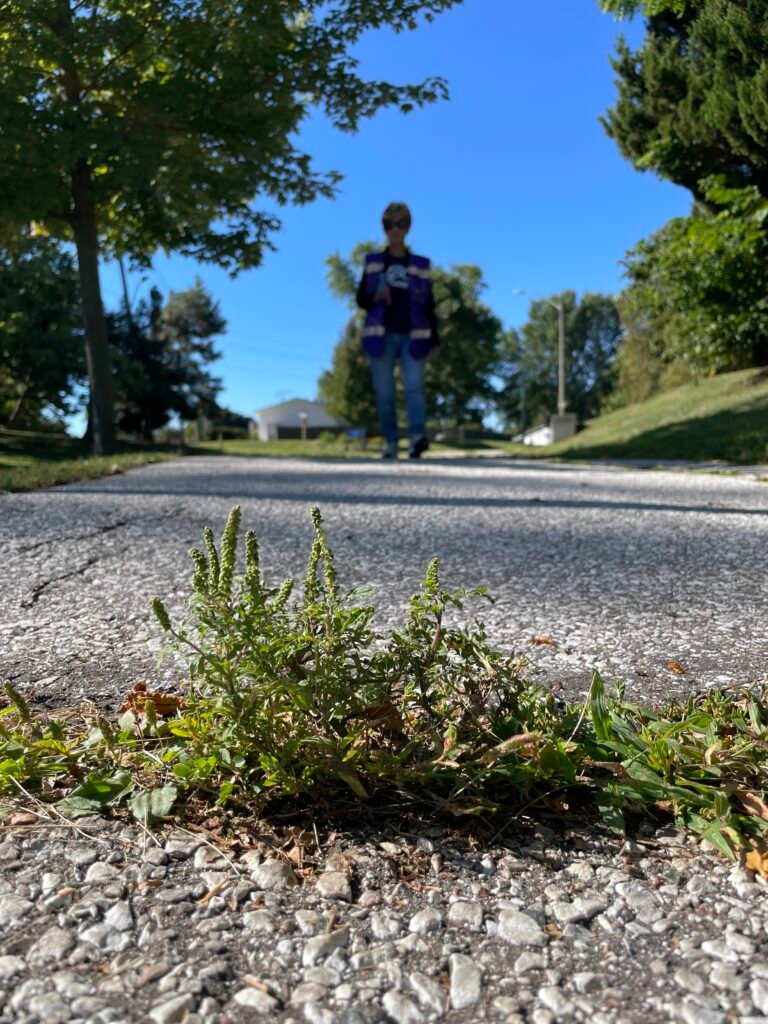
    Cracked asphalt, McCallum Drive, Kingsville

    Here’s the problem. You can’t manage what you don’t measure, and Kingsville has no map and no count of its trees.

    That’s what we’re changing.

    What we’re up against

    Essex County has lost more than 90% of its original forest cover. Canopy is now under 8% — among the lowest in Ontario.
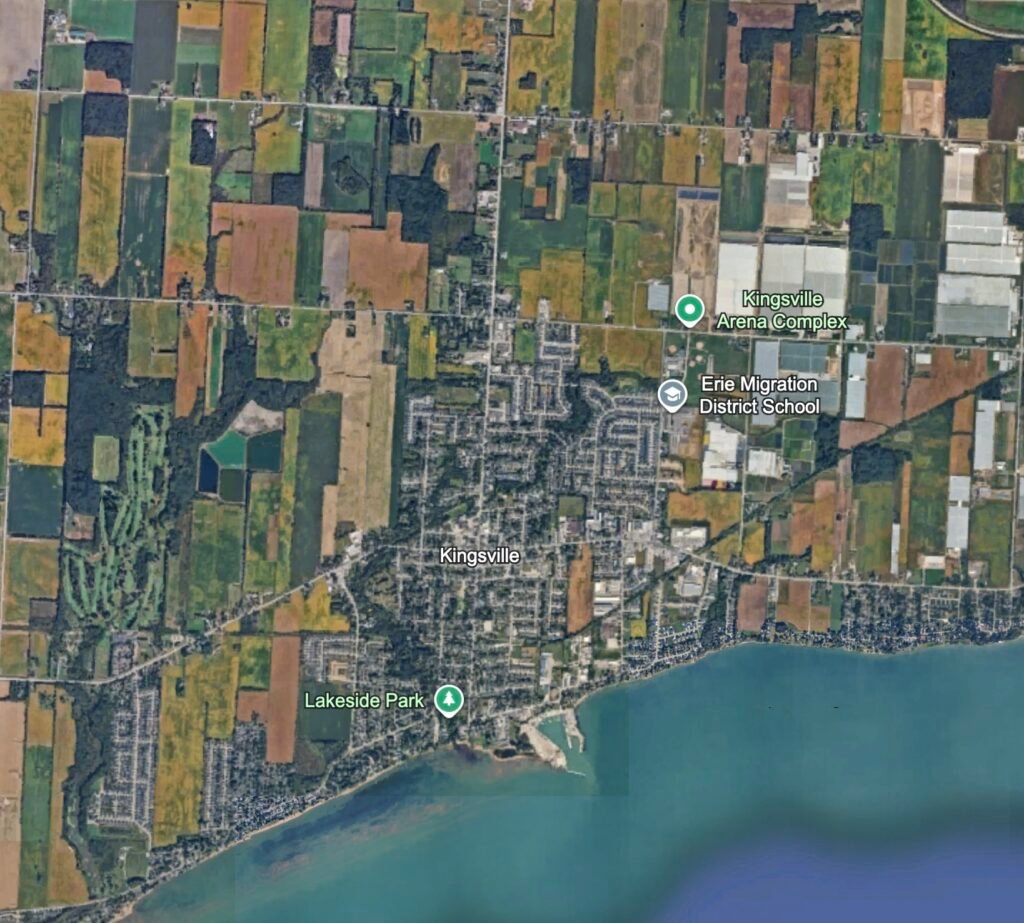
    Agriculture and residential development have displaced forest cover

    The Emerald Ash Borer has already taken a large share of what was left. Development continues to take more, often without formal protection plans. Kingsville has no by-law regulating tree removal on private property. There’s a province-wide shortage of qualified arborists. Most municipalities don’t require tree service contractors to be certified. Urban forest management around here is reactive: a tree falls, a tree gets removed, a tree dies. Decisions get made one stump at a time, with no map of what’s left.

    Stay on this course and the bill arrives in predictable ways. More flooding. Hotter summers. Higher cooling costs. Faster-degrading roads. Public health risks tied to heat islands. And the slow erosion of what gave Kingsville’s streets their character.

    Why a map

    A municipal tree inventory is the single most useful planning tool a town can have.

    Windsor has one. Tecumseh’s administration formally recommended one as the starting point for their forestry master plan. And in Chatham-Kent, not only do they map trees, but they calculate the value of the health and financial benefits they produce.

    Windsor Essex Strong Towns has already mapped over 6,000 trees in Windsor and is advising us. We’re also working with an ISA Board Certified Master Arborist.
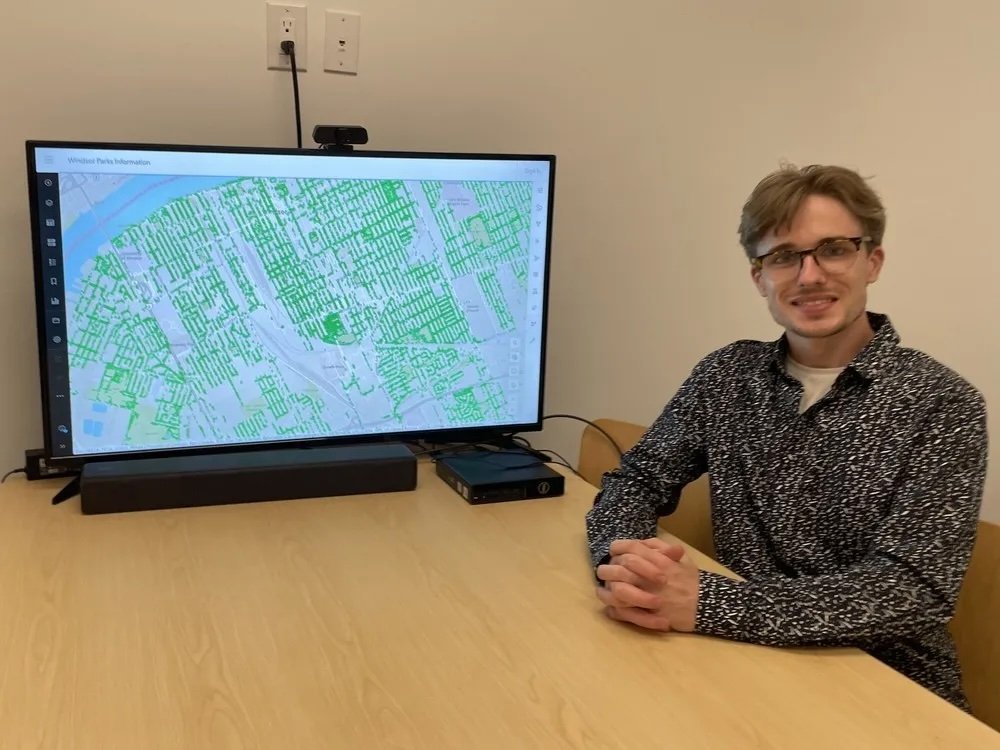
    Zachery Teall, Windsor Essex Strong Towns

    A real inventory tells us things we can act on. Where the canopy gaps are, so planting actually goes where it’s needed. What species mix we have, so we don’t get caught flat-footed by the next Emerald-Ash-Borer-style wipeout. Which mature, healthy trees are worth protecting before development takes them. Where the Town can stop reacting and start planning.

    How it works

    On May 19th, we’re launching Rooted in Kingsville — a six-week community tree-mapping contest with one clear goal: map as many trees as we possibly can by the end of June.

    You don’t need to be an arborist. You don’t need to know every species. There are apps to help with identification and we’ll train you before the contest starts. If you can walk a block and use a phone, you can do this. We’ll show you how to measure trunk diameter (it’s not complicated), how to log a tree, how to verify what you’re looking at.
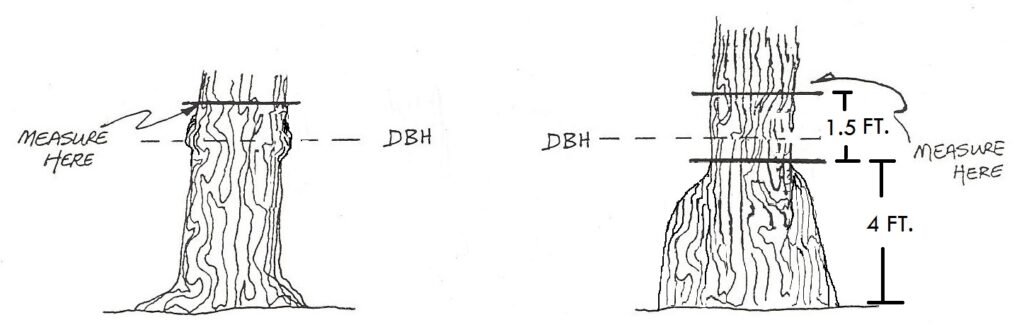
    Measuring tree trunk diameter at breast height

    Volunteers will work neighbourhood by neighbourhood, contributing to an open dataset on OpenStreetMap. The data is permanent. It’s public. It belongs to everyone — Town, County, residents — and it can keep growing after the contest ends. There are great prizes from local businesses, friendly neighbourhood-vs-neighbourhood competition, weekly progress updates, and a Tree of the Week feature for the standouts people find along the way.

    When the contest wraps in July, we present the results to Kingsville Town Council. A community-built dataset is harder to ignore than a community-written letter.

    What this is, really

    Strong Towns says: take care of the places you already have before building new ones. That applies to roads, to buildings, and to trees. Replacing a 60-year-old oak takes 60 years. Replacing the cooling, stormwater management, and pavement protection it provided takes money — yours.

    Trees are infrastructure. Living infrastructure, free to operate once it’s in the ground. The least we can do is keep track of them.

    Want to map some trees with us?

    Sign-up using this form.

    Mapping starts May 19th.


    Want to help before launch? We need poster hangers, mapping guides, field guide creators, educators, social media spreaders, photographers, and community recruiters. Get in touch. info@kingsvillestrong.com
  • 2026 Slow Ride Series

    2026 Slow Ride Series

    🚲 The town that rides together, thrives together.
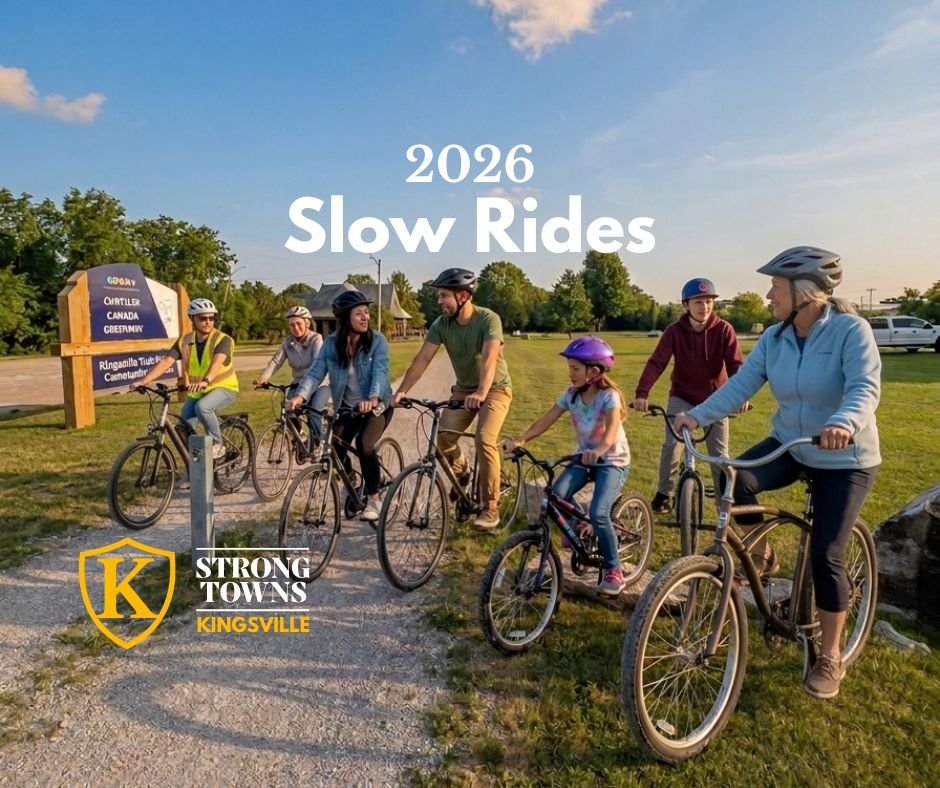
    Join Strong Towns Kingsville for our 2026 Slow Ride Series — one easygoing ride a month, May through August. No racing, no pressure, just neighbours rolling through town together.

    All skill levels welcome. Bring your bike, a helmet, and your sense of adventure.

    Weather cancellations will be posted here, so give us a follow and watch the Strong Towns Kingsville Facebook page before heading out. See you on two wheels! 🌿

    Launching from the Carnegie Arts & Culture Centre (28 Division Street South) at 10 AM every 2nd Saturday:

    • May 9
    • June 13
    • July 11
    • August 8

    Featured Stop — Colasanti’s Tropical Gardens

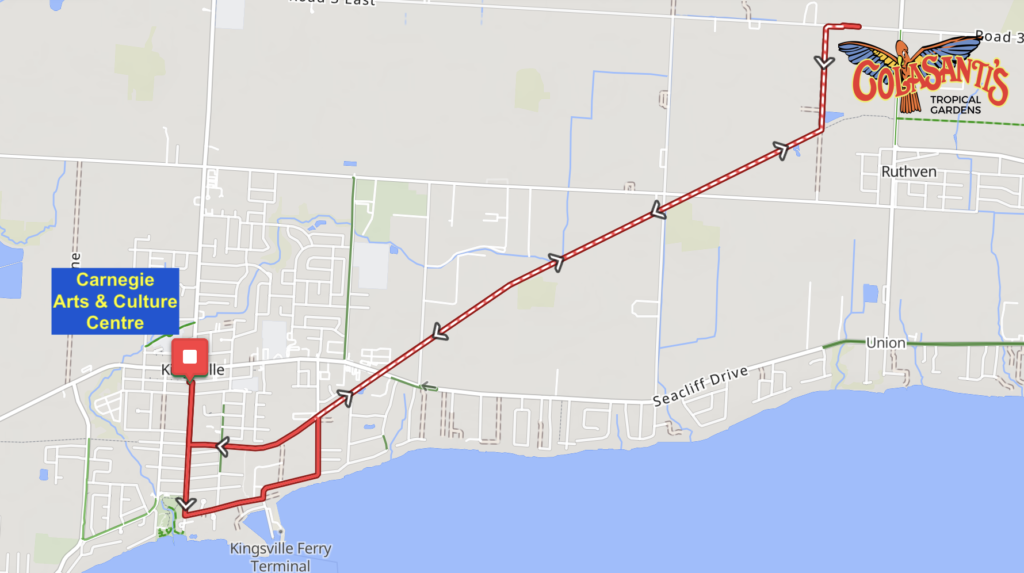
    We’ll ride to the waterfront and then out on the Greenway to Colasanti’s. Before we turn around, we’ll take a break and enjoy refreshments compliments of Colasanti’s!

    Depart: 10:00 AM (sharp) – Carnegie Arts & Visitor Centre
    Return: 12:00 PM (approximately) – Carnegie Arts & Visitor Centre

    Click to view route map on Ride With GPS

    Important Safety Notes

    • We advise against bringing small children, as the ride may be too much for their little legs
    • Kids under 18 must wear a helmet and be accompanied by a responsible adult
    • Riders must practice safe cycling and follow the rules of the road at all times
    • No more than 2 riders abreast at any time
  • Walkability and Accessibility Audit Reports going to Council – Dec. 10

    Walkability and Accessibility Audit Reports going to Council – Dec. 10

    Here are the two reports we will present at the Dec. 10th delegation before the Special Meeting of Council re: budget. They show that Kingsville has a long way to go in order to achieve the level of pedestrian safety and comfort that facilitates healthy lifestyles for all and a vibrant local economy.

    1) Kingsville Walkability and Accessibility Audit Report v1.1 – https://drive.google.com/file/d/1LfXVnlvu2NTiYSpk3WWSL023Sr76M4WI/view?usp=drive_link

    2) Unsafe Pedestrian Crossings – Kingsville – https://drive.google.com/file/d/1eSNFFmu_Qh4XrR-sfSCyyAR9tzga3-0T/view?usp=sharing

    Delegation details:
    Wednesday December 10
    9:00 to 9:30 AM (possibly a little later)
    Unico Community Centre
    37 Beech Street

  • Podcast ep. 5 – Kent Williams – A senior’s perspective on Kingsville

    Podcast ep. 5 – Kent Williams – A senior’s perspective on Kingsville

    Listen on Spotify | Listen on Apple Podcasts

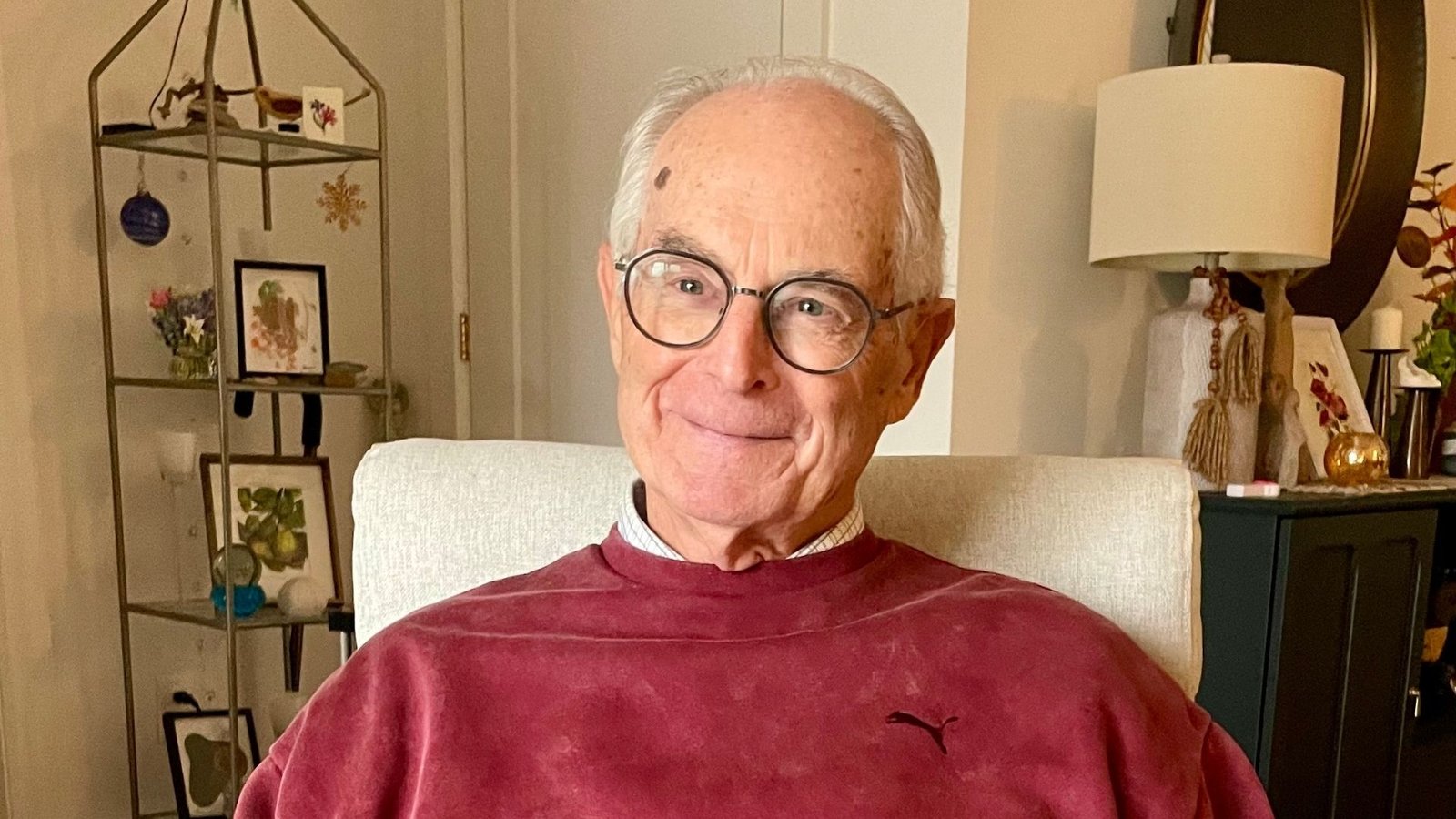
    Seniors make up almost a quarter of Kingsville’s population and are its fastest growing demographic. Meet Kent Williams, leader of the Strong Towns Kingsville seniors team. Kent has competed in the World Senior Games and is a keen observer of senior communities in the many places he has lived and visited. He is an outspoken and articulate voice for seniors—especially the thousands like him whom we’ve invited to move to our town in recent years.

    Outline

    00:00 – Introduction
    01:38 – Kent’s background
    11:50 – World Senior Games
    20:20- Seniors amenities and services in other communities
    22:30 – Big changes at the senior level
    30:30 – Men’s Shed
    38:00 – Active lifestyles
    41:00 – Activities Kent set up in other communities
    46:30 – Lessons learned in business
    49:26 – Uniqueness and community vision
    53:15 – Amherstburg’s revitalization
    1:05:26 – Embracing improvement and change
    1:08:50 – Engagement in local civics
    1:14:45 – Kingsville’s greatest strength
    1:20:00 – Taxes and increase in home equity
    1:23:05 – Brain drain among the youth
    1:27:20 – Full-service seniors facility

    Episode Links

  • Use the plan to end speed cameras to Kingsville’s advantage

    Use the plan to end speed cameras to Kingsville’s advantage

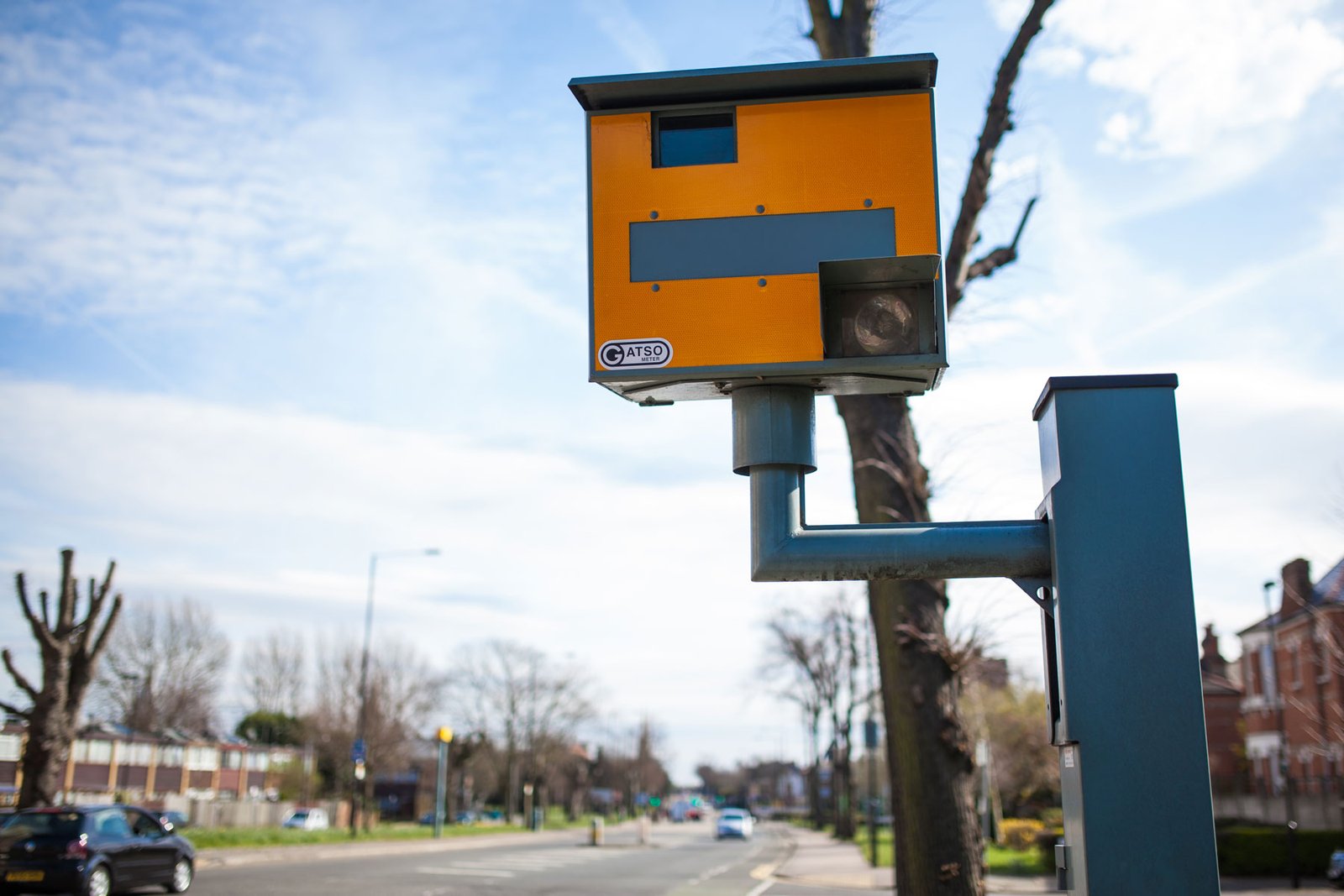
    Last week, the Ontario Government announced a bold shift in road safety policy: scrapping speed cameras in favor of funding traffic calming measures like speed bumps, curb extensions, roundabouts, and flashing signs.

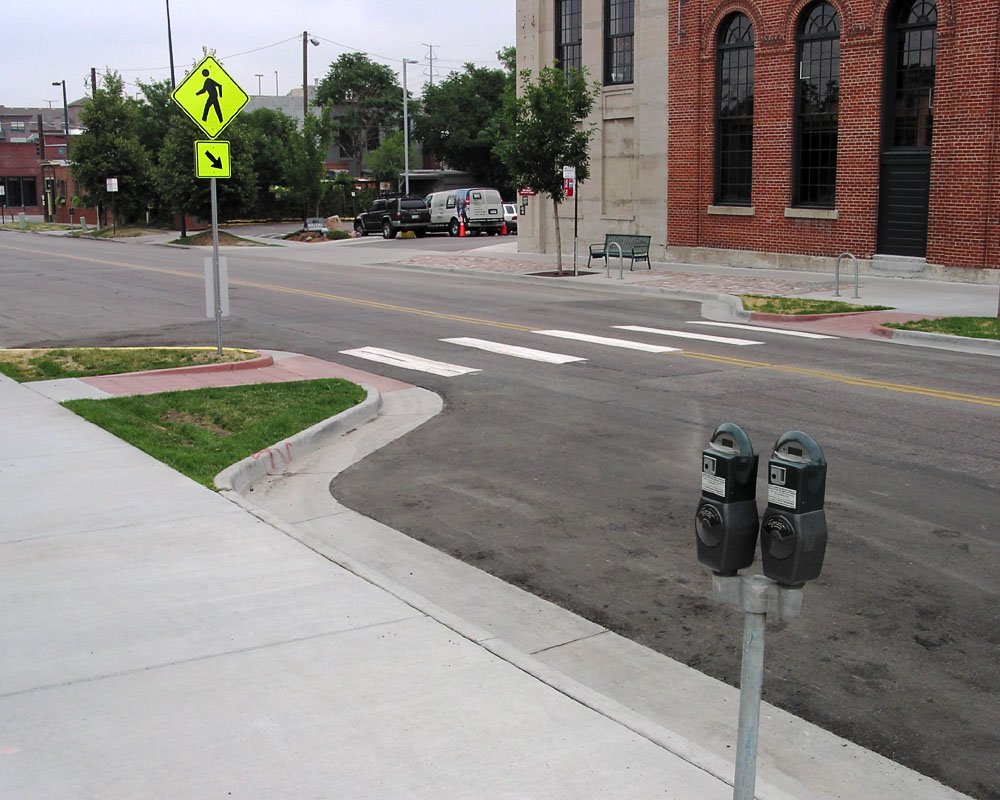
    Curb extension and narrowed crosswalk

    At Strong Towns Kingsville, we support this move. While speed cameras may act as a temporary fix, they’re merely a bandaid.

    As outlined in our Strong Towns philosophy, real solutions lie in better road design and fostering a cultural shift toward safer driving behaviors. For evidence-based support, read “Evidence of Superiority of Traffic Calming Over Speed Cameras” at the end of this post.

    This policy change aligns with the needs of our community. Kingsville’s 2022 Comprehensive Transportation Master Plan highlighted that:

    “Many residents are concerned about dangerous driving along neighbourhood streets and would like to see measures implemented to help slow traffic and prioritize streets for people walking and cycling.”

    This concern remains evident today, with citizens recording and posting acts of speeding in school zones and drivers failing to stop for school buses.

    The good news? Kingsville could be eligible for provincial traffic calming funding if we can identify high-need areas, such as school zones or residential streets with speeding issues, and demonstrate clear road safety benefits like reduced speeds and enhanced pedestrian safety.

    This is a time-sensitive opportunity to make our streets safer and more inviting for everyone.

    What Strong Towns Kingsville Is Doing

    We are already taking action to ensure Kingsville seizes this opportunity:

    • Cataloging Dangerous Areas: Our team is actively documenting hazardous pedestrian crossings and high-risk streets, compiling a report to submit to the Town Administration. This report will strengthen Kingsville’s case for securing provincial funding.
    • Engaging the Community: We’re organizing community walks to identify problem areas and involve residents in designing safer, more livable streets. These efforts foster collaboration and ensure our streets reflect the needs of our community.
    • Highlighting Local Needs: For example, the area along the West side of Lakeside Park, is one of many areas we’re prioritizing for improvement.

    How You Can Help

    While the provincial funds are not yet available, Kingsville can get a head start. As a citizen, you can make a difference by:

    1Contact Your MPP: Email MPP Anthony Leardi at anthony.leardi@pc.ola.org to express your support for traffic calming measures in Kingsville. Let him know that safer streets are a priority for our community—not only for safety, but for the freedom of of those who don’t drive, and to make downtown streets friendlier for shopping, dining, and tourism.

    2Join Our Efforts: Participate in our upcoming community walks and monthly meetups to help identify problem areas and propose solutions. Together, we can make Kingsville’s streets safer for walking, cycling, and living.

    3Spread the Word: Share this post with friends, neighbors, and local businesses to build momentum for safer, more vibrant streets.

    Traffic calming measures don’t just improve safety—they also:

    • make our neighborhoods more livable
    • encourage active transportation
    • boost local businesses by creating pedestrian-friendly environments

    Let’s work together to ensure Kingsville secures this funding and transforms our streets for the better.

    Thank you for supporting Strong Towns Kingsville and our mission to create a safer, stronger community.

    Chad Nantais

    Local Leader – Strong Towns Kingsville

    Evidence of Superiority of Traffic Calming Over Speed Cameras

    While both traffic calming and speed cameras are effective speed reduction tools, studies suggest that traffic calming measures offer superior, more persistent long-term safety benefits due to their reliance on passive, self-enforcing infrastructure changes rather than enforcement.

    Here are three key datapoints supporting the long-term safety advantages of traffic calming:

    1. Greater Percentage Reduction in Personal Injury Accidents (PIA):
      • Data: A comparative study on 30 mph roads found that engineering schemes incorporating vertical deflections (like speed humps or speed cushions) resulted in an average reduction in Personal Injury Accidents (PIAs) of 44%. This was twice the reduction found at sites where safety cameras were used, which averaged a 22% fall in PIAs [1].
      • Implication: Physical changes to the road are more effective at eliminating accident-causing behaviors than enforcement alone.
    2. Permanent, Self-Enforcing Speed Reduction:
      • Data: Traffic calming measures, by their nature, are self-explaining and self-enforcing, meaning drivers must slow down to maintain comfort and avoid vehicle damage, irrespective of enforcement presence [2]. For example, one FHWA study on speed humps showed that the proportion of traffic traveling more than 10 mph over the limit dropped from 14% before installation to an average of 1% after installation [3].
      • Implication: This structural change creates a lasting behavioral change across the entire road segment, whereas the safety effects of speed cameras can be highly localized and may rely on drivers’ awareness of the camera’s location (“halo effect”) [4].
    3. Significant Impact on Fatal and Serious Accidents (Severity):
      • Data: The same comparative study noted that schemes with vertical deflections were the only type of scheme to have a significant impact on fatal and serious accidents [1]. Furthermore, a systematic literature review concluded that traffic calming interventions consistently reduce both the frequency and severity of collisions [5]. For instance, a study found a 53−60% reduction in the odds of injury or death for children struck by vehicles in neighborhoods with traffic calming [6].
      • Implication: Traffic calming not only reduces the chance of a crash but fundamentally lowers the kinetic energy of a collision, which is the key factor in determining injury severity and long-term public health outcomes.

    Citations:

    [1] Allsop, P. (2004). Are speed enforcement cameras more effective than other speed management measures? The impact of speed management schemes on 30 mph roads. ResearchGate.

    [2] Road Safety Toolkit. Speed Management and Traffic Calming. (The “self-explaining and self-enforcing” principle of traffic calming).

    [3] Federal Highway Administration (FHWA). Module 4: Effects of Traffic Calming Measures on Motor Vehicle Speed and Volume. (Data on speed hump effectiveness on high-speed vehicles).

    [4] Insurance Institute for Highway Safety (IIHS). (2015, October 1). Speed cameras reduce injury crashes in Maryland county, IIHS study shows. (Discusses the localized nature of camera effects and the need for “corridors” to enforce speed over a wider area).

    [5] MDPI. (2023). Beyond Speed Reduction: A Systematic Literature Review of Traffic-Calming Effects on Public Health, Travel Behaviour, and Urban Liveability. (Notes the consistent reduction in frequency and severity of collisions).

    [6] Traffic Logix. Multiple studies found traffic calming solutions reduce speeds, prevent crashes, and save lives. (Citing American Journal of Public Health data on injury/death reduction for children near speed humps).

  • A Tragedy Waiting to Happen: Making Lakeside Park Safe for All

    A Tragedy Waiting to Happen: Making Lakeside Park Safe for All

    Is our park so beautiful that it’s worth risking your life to get there?

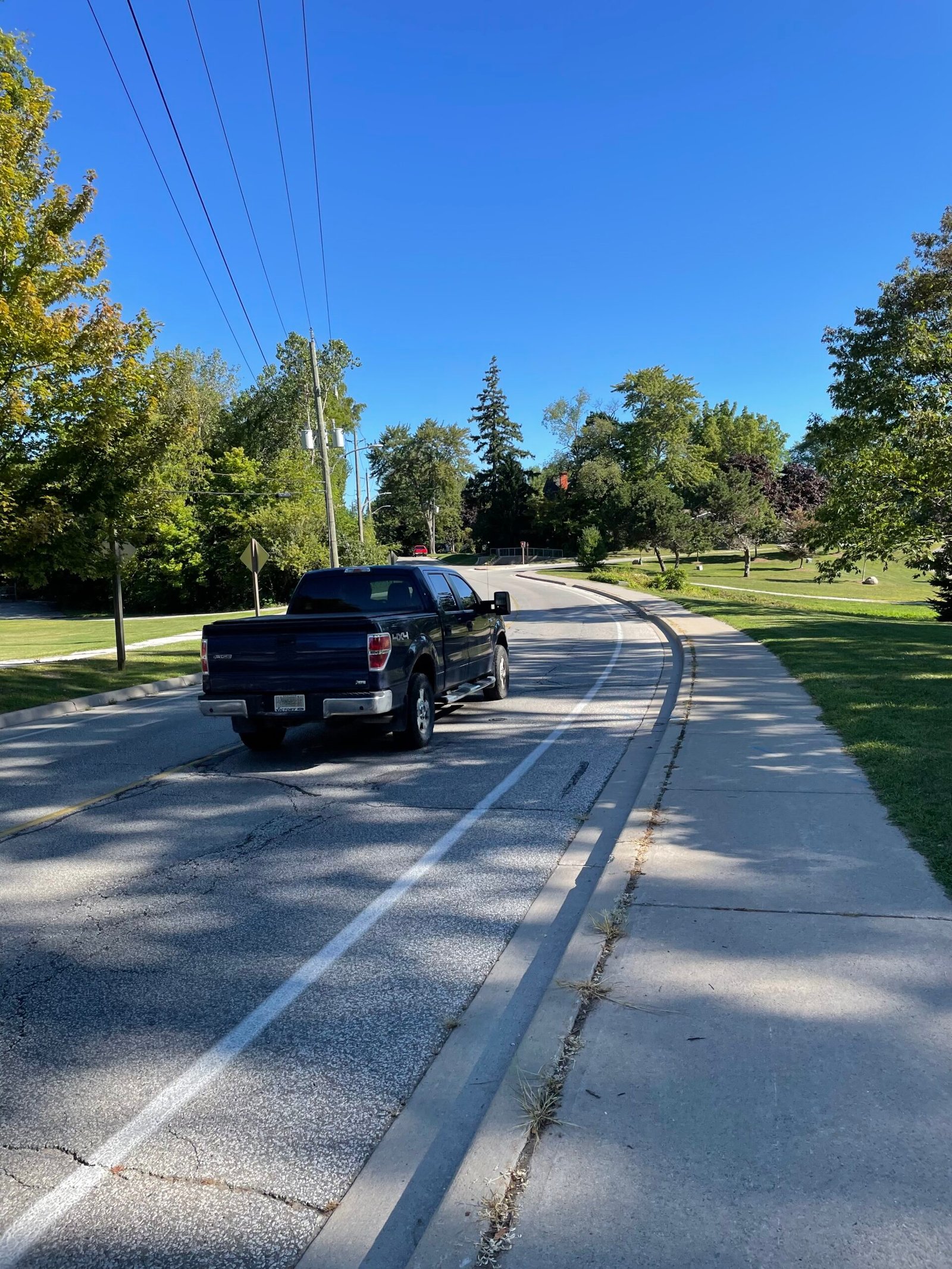
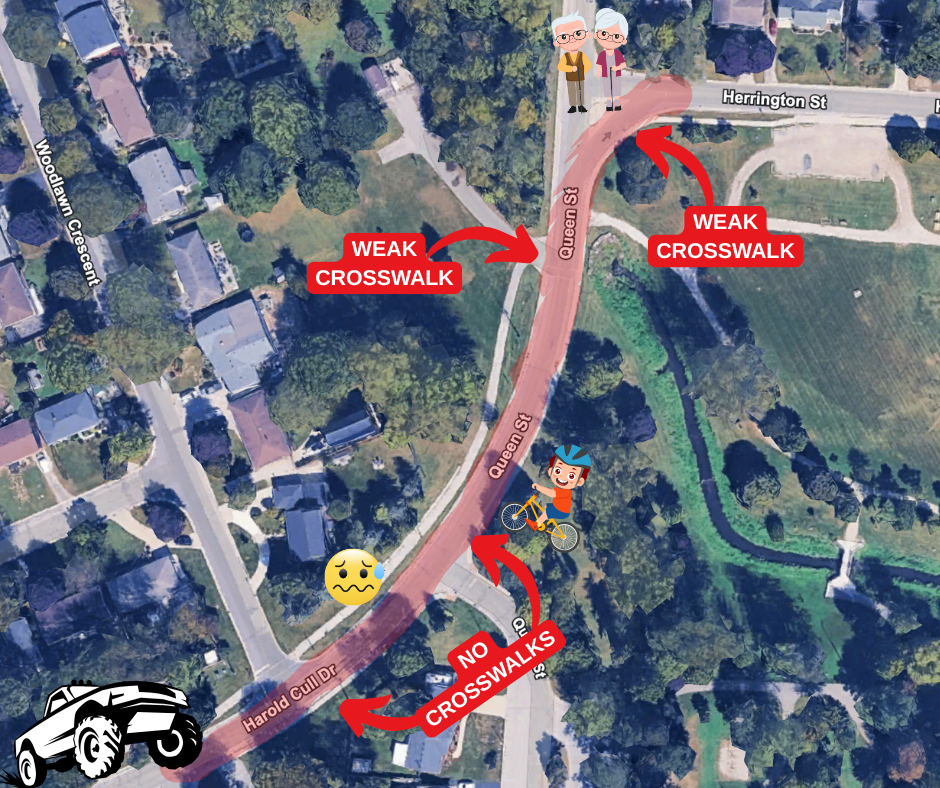
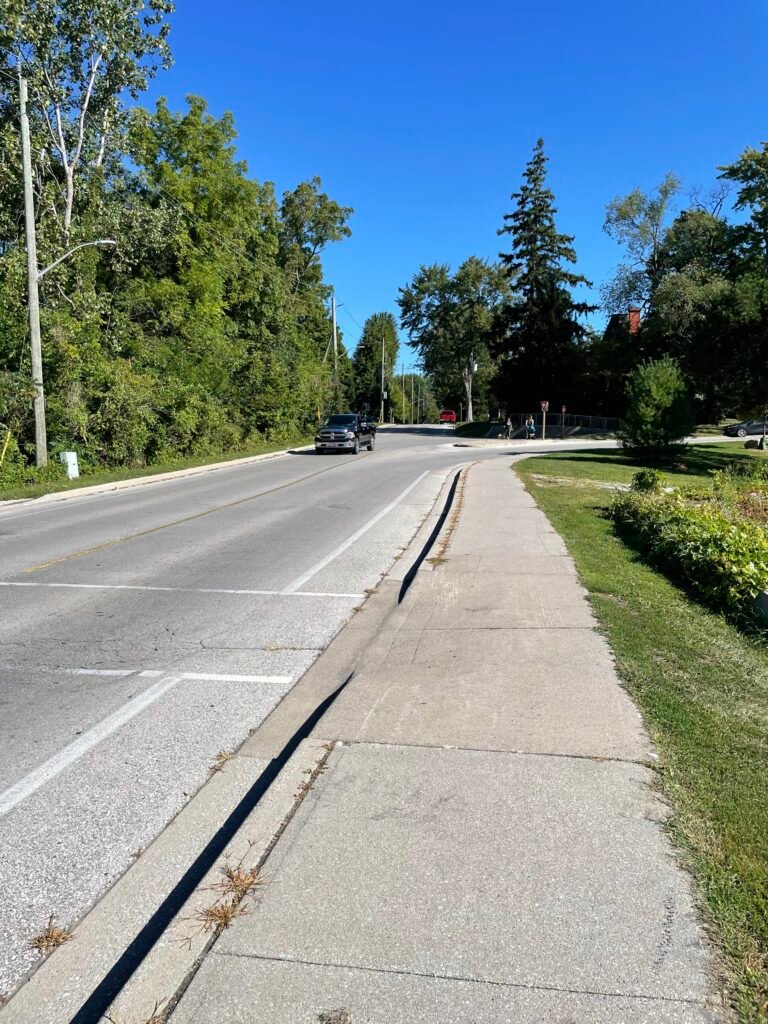
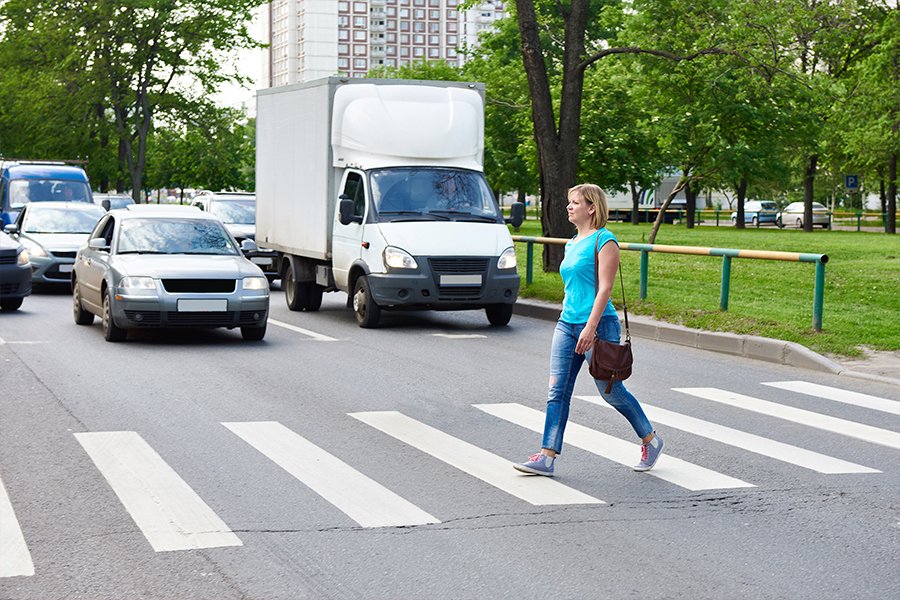
    On our walks, my wife and I often feel like we’re dodging death, especially near Lakeside Park, where children play, seniors stroll, and people using walkers or mobility scooters seek a moment of freedom. The problem? Crossing Cull, Queen, or Herrington to reach the park is a gamble due to speeding drivers, faded crosswalks, and poor visibility.

    Fast Road + Blind Curve + Weak Crosswalk = Dangerous Crossing

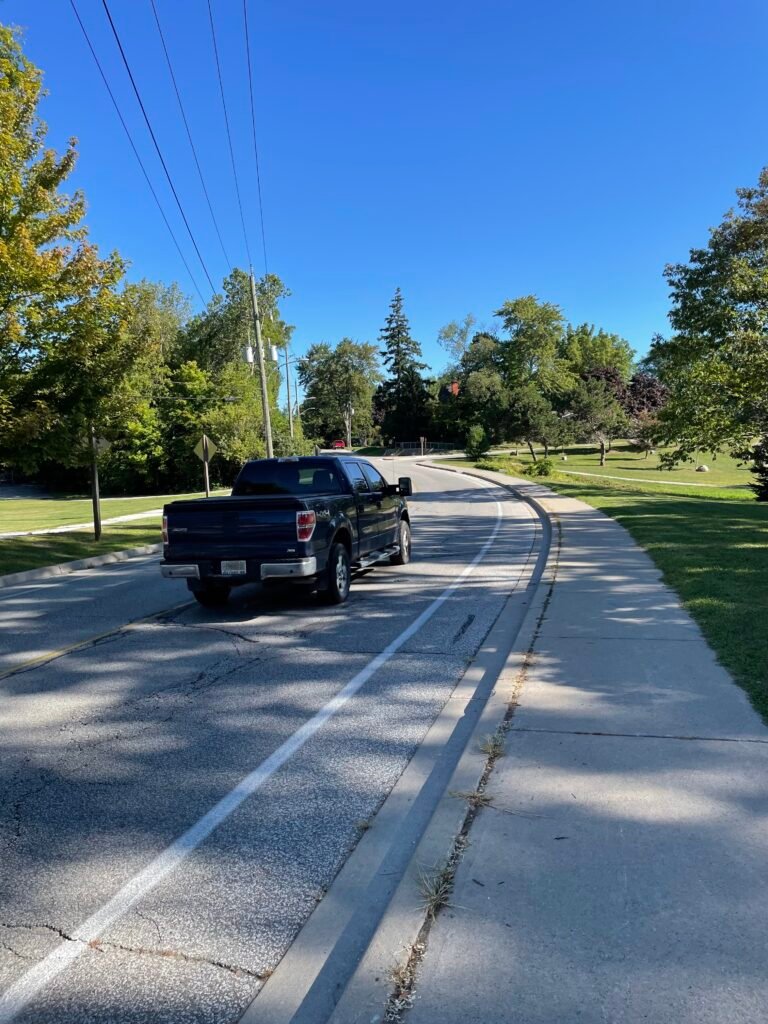
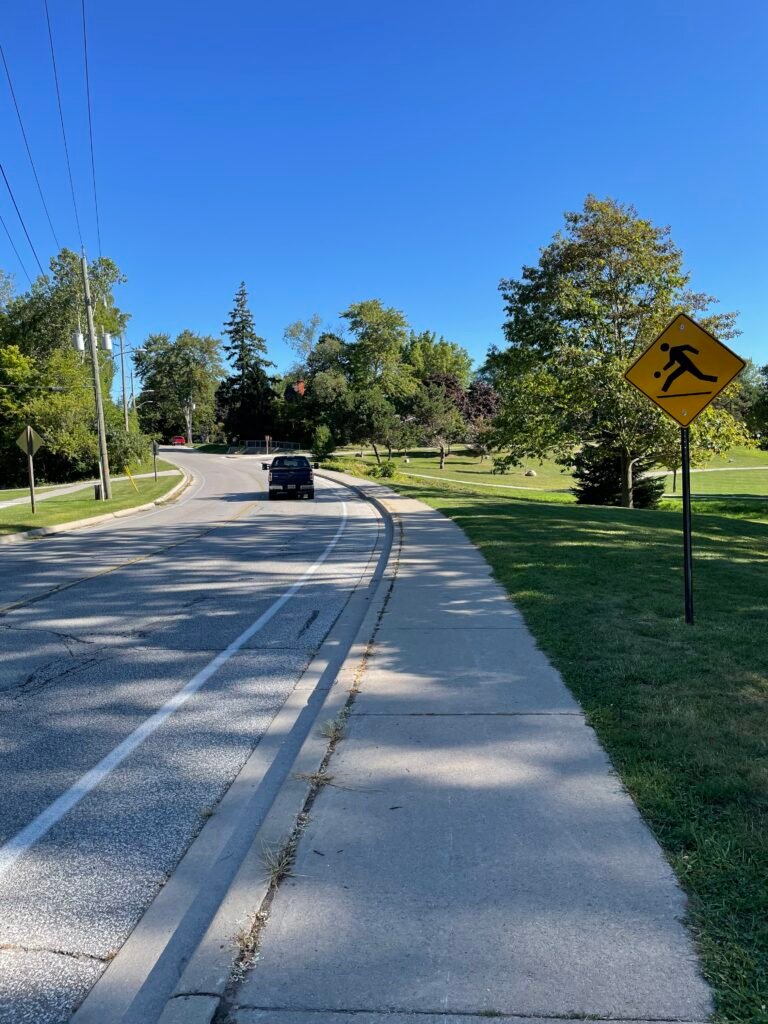
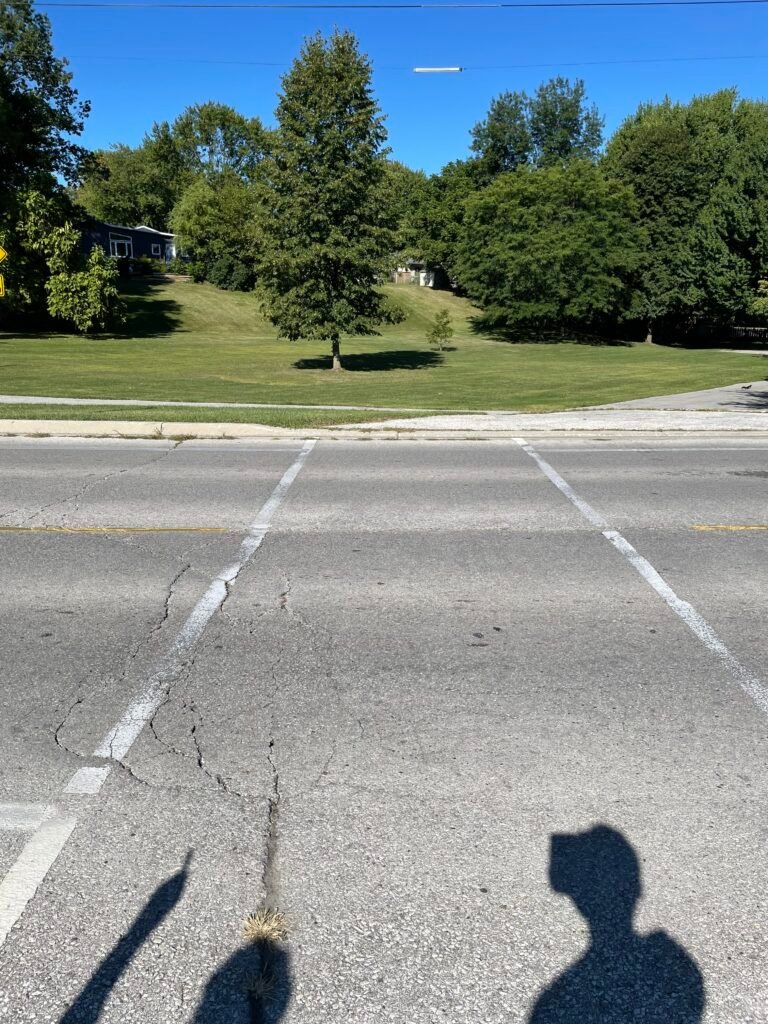
    Drivers often speed along Cull Drive, a long, wide road with no street trees to slow them down. The crosswalk on Queen is barely visible—its two thin lines are faded, and tree shadows make them even harder to spot. There’s no sign warning drivers of the crosswalk, and a blind curve on Queen gives eastbound drivers little time to react.

    Meanwhile, at least 1,500 residents from the Banar and James subdivisions, plus homes north on Queen, must cross these roads to reach the park. We’ve seen too many roadkills on Cull to ignore the risk to human lives.

    Why It’s Urgent

    Based on national pedestrian accident rates, we could expect a collision every 10 months in the Cull-Queen corridor. But with high speeds, a blind curve, and inadequate crosswalks, an accident could happen much sooner. Parks are vital for our community’s mental and physical health, and everyone deserves safe access to this sanctuary.

    Solutions

    Here’s how we can make Lakeside Park’s crossings safer:

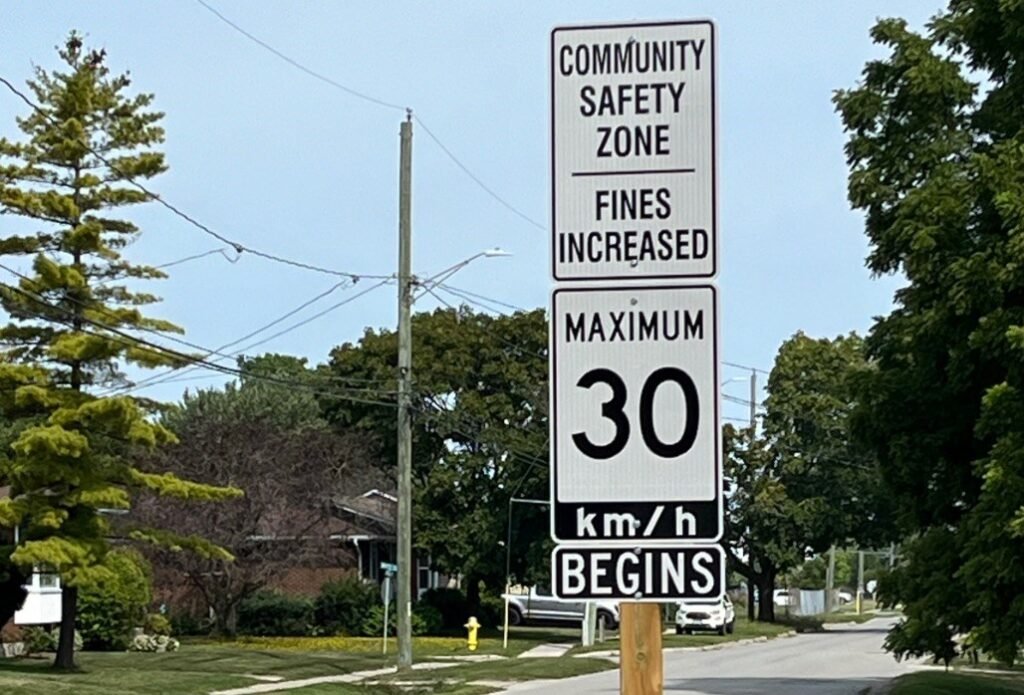
    Designate a Community Safety Zone

    Lower speed limits, increase fines, and add traffic calming measures around the park, as Leamington has done successfully for its waterfront.

    Install Raised Pedestrian Crossings

    Replace flat crosswalks with elevated tables to force drivers to slow down and improve visibility.

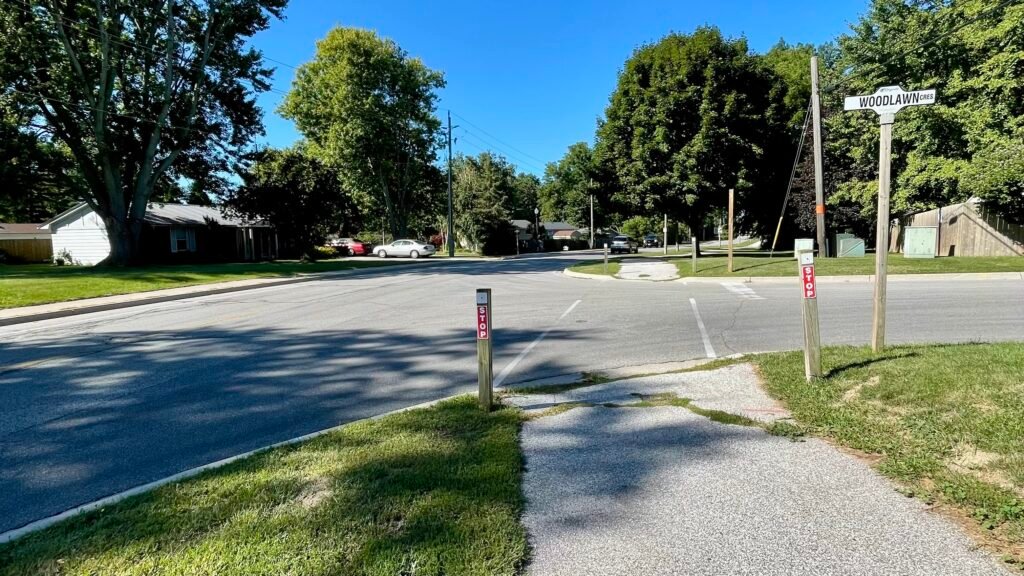
    Add a Crosswalk at Cull and Woodlawn

    Many pedestrians cross here for better visibility. Formalizing this crossing would enhance safety and signal to Eastbound drivers to slow down as they head into the curve.

    Quick Fixes

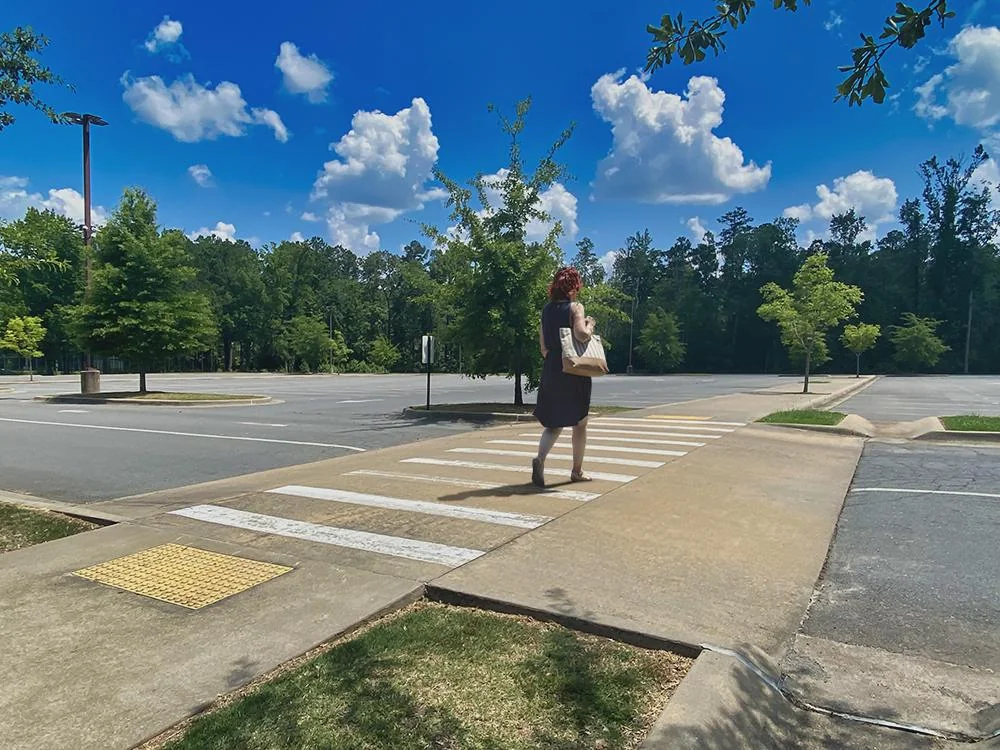
    Upgrade to Zebra Crossings

    Replace faded lines with bold, highly visible zebra patterns at all park crossings.

    Add Clear Signage

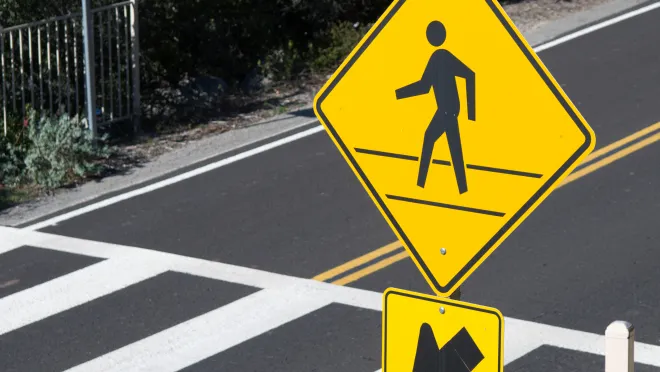
    Install “Yield: Pedestrian Crosswalk” signs at each crossing to alert drivers, as the current “children at play” signs are too vague.

    Be Part of the Solution

    Strong Towns Kingsville is ready to act. We’ll fund and paint zebra crossings ourselves, with no cost to municipal taxpayers, and we’d welcome the Town Administration’s support.

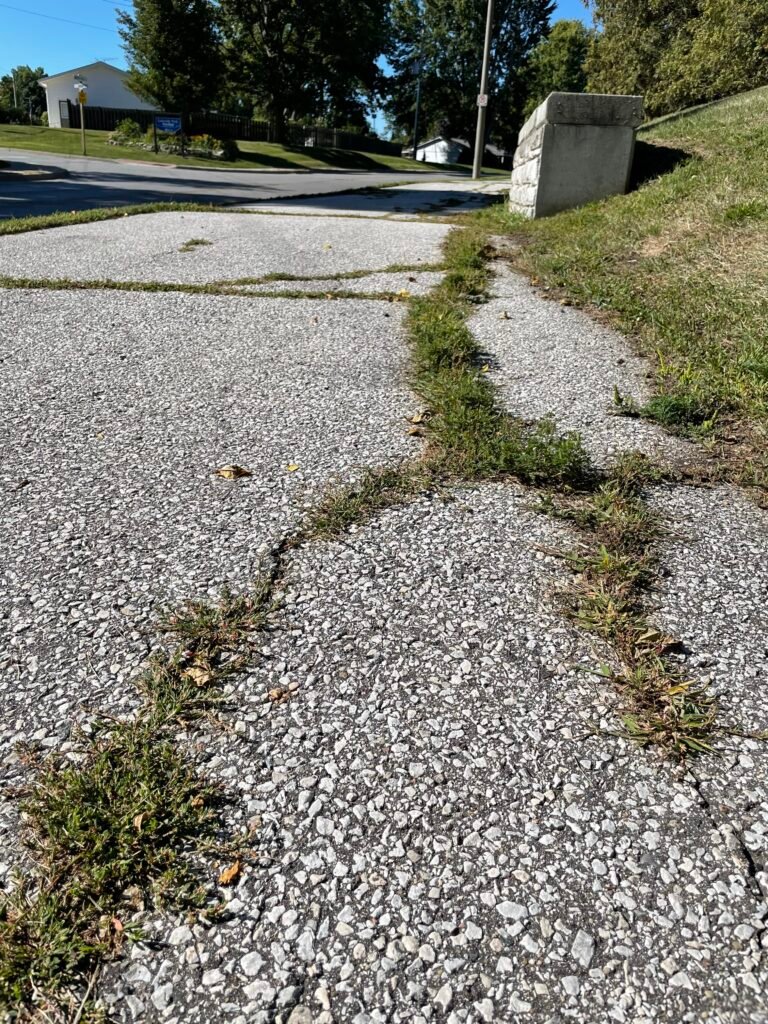
    We’re also tackling tripping hazards by removing weeds from the multi-use path’s cracks, using an eco-friendly vinegar solution. Join us this month to help—reply below or email us at info@kingsvillestrong.com!

    Cull Drive’s design encourages highway speeds, not the safe, small-town pace we need. A driver’s license is a privilege, not a right to speed through our community in a 6,000-pound vehicle. Let’s work together to prevent a tragedy and ensure Lakeside Park is accessible to all.

    Update – Oct 10, 2025

    I reported this dangerous pedestrian crossing to the Town of Kingsville and they responded by repainting the crossing lines within 2 weeks. Report other dangerous crossings to requests@kingsville.ca.

    Thanks for your support,

    Chad Nantais
    Local Leader — Strong Towns Kingsville

  • Aug. 21 Meetup Agenda – Aligning for Action

    Aug. 21 Meetup Agenda – Aligning for Action

    Strong Towns Kingsville August Meetup

    Date: Thursday, August 21, 2025
    Time: 6:00 – 7:30 PM
    Location: La Dulce Vida Café, 15 Division Street South, Kingsville

    Menu: sandwiches, pastries, coffee drinks (caffeinated and decaf), teas, sparkling waters. Not licensed for alcohol.


    Kingsville is at a crossroads.

    We still hadn’t recovered from the pandemic and then the world economic order changed in 2025.

    Once again, federal and provincial governments are borrowing from our future to get us through today. Jobs are scarce. More vacant storefronts are popping up. A highway cuts through the heart of our town, driving away foot traffic. Housing is not affordable. How are people supposed to get ahead?

    Huge spending programs from above don’t match the realities of our community–if they truly worked, then wouldn’t we be in a better position by now?

    Strong towns are built by many small businesses, small developers, and engaged citizens, not just a few big players.

    To save the Kingsville we love, we have to improve our economy, housing, and community from the ground up. If we don’t change course now, we may never have another chance.

    To unleash our community’s potential, we’ll organize into working groups like these:

    • Town Makers: Empower small, independent builders to tackle the housing crisis without big developers killing our small town character. See: 12 Steps To Town Making
    • Mobile Food Mavericks: Lowering barriers to spark restaurant-driven development for a Downtown comeback.
    • Strong Seniors: Over 5,000 or 23% of our citizens are 65+ . We’re inviting them here, now let’s give them a place to live long, healthy, and happy.
    • Young Town Makers: Engaging young people to shape Kingsville’s future, and advocating for a town that’s safe for kids to play outside and be more independent.
    • StreetShapers: Promoting vibrant, safe, walkable, bike-friendly, and accessible streets that generate value for local businesses and foster social cohesion.
    • Kingsville Strong: Culture, art, and storytelling. Amplifying town spirit, setting up a can-do culture, valuing our town heritage.
    • Number Ninjas: Making sense of the Town’s accounting, making sure we #DoTheMath on proposed developments.
    • Civic Squad: fostering active participation in town council meetings, policymaking, and civic engagement. Creating the Engaged Citizen’s Playbook.
    • 1000 Year Town: Collaborating with town committees and volunteer organizations for a unified, long-term vision, amplified by a shared ongoing awareness campaign.

    Do any of these interest you?

    Come to the meetup, share your ideas, and join a group to start making a difference.

    We look forward to seeing you there!

    –Chad

  • Strong towns are built on many small businesses

    Strong towns are built on many small businesses

    If you’d rather listen to this article, use this audio player. (5 mins)


    Here are some insights from a conversation with one of our local restaurant owners. Their experiences highlight the challenges faced by our downtown’s small businesses.

    Inspired by the principles of Strong Towns and the economic success of startups and nations that have risen from poverty, we’d like to advocate for our small business owners in a way that fosters collaboration and growth.

    We’re encouraged by the initiatives already in motion to strengthen our downtown, such as addressing vacant storefronts, the BIA’s efforts, the promotion of tourism, the establishment of local grants, preserving our heritage character, and promoting walkable development. These steps show a commitment to our community’s future, and we’re grateful for the work being done by Councilors, Town staff and the BIA.

    That said, I’ve learned about some hurdles that our small businesses, particularly restaurants and mobile food businesses, face. For instance:

    • a $250 fee to post a foldable sign
    • a $750 permit plus engineering drawings to install awnings (which add shade and charm to our streets)
    • a complex Special Events Review Team process with bylaws and fire marshal requirements that would take the wind out of the sails of any enterprising citizen.

    These regulations, while well-intentioned, may create barriers that stifle the entrepreneurial energy we need.

    I also heard that a neighboring municipality has reached out and offered incentives directly to some of our local business owners—has Kingsville offered them the same?

    Drawing from proven economic development principles, we see that places like Singapore and South Korea transformed from poverty to prosperity in a single generation by creating low-barrier environments for small businesses. They empowered street vendors, small retailers, and startups with minimal red tape, fostering innovation and resilience.

    Sound familiar? That’s what kicked off the Detroit Economic Miracle–the turnaround we’ve seen over the last 15 years.

    In contrast, overly centralized systems, like the Soviet Union’s, collapsed under rigid control. Government’s aim should not be to control, but rather to provide the grounds for fair play and prosperity for businesses of any size, and then to just let nature run its course–which is the evolution of complex adaptive systems that actually become stronger when threatened. The intelligence of these systems dwarfs anything even the smartest humans have conceived. We just have to get out of their way.

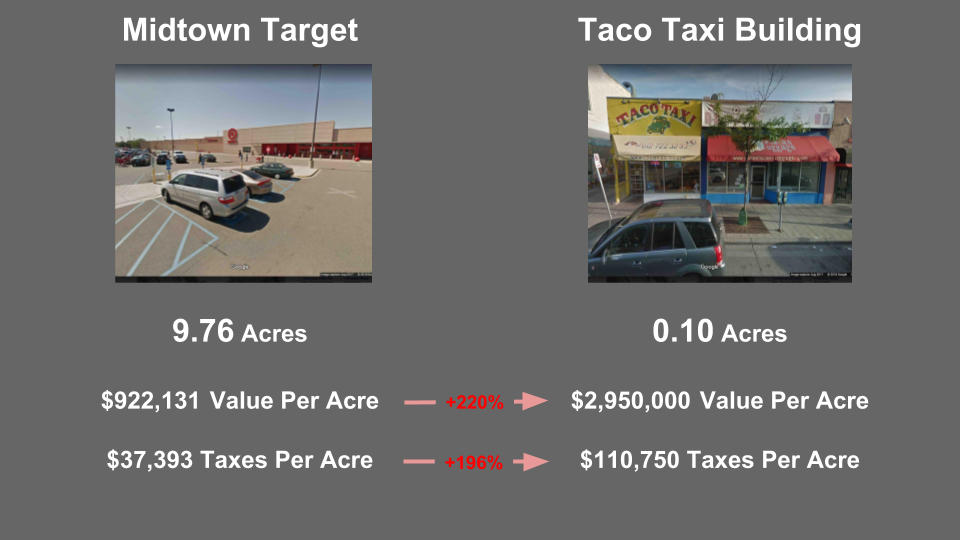
    Downtown small businesses generate some of the highest value per-acre for the town. Supporting them is key to long-term prosperity. And, today’s hot dog cart, porch bakery, or food truck can become tomorrow’s Main Street staple.

    Value per acre analysis – by Strong Towns

    To build a stronger Kingsville, I believe we can make it easier for microbusinesses to thrive by simplifying permitting processes, reducing fees, or offering small grants (or at least assist with grant writing). This doesn’t mean ignoring larger projects but recognizing that a vibrant downtown grows from many small, dynamic businesses. By lowering barriers, we can let the free market nurture our local economy from the ground up.

    So, what is Strong Towns Kingsville doing about it? We’ve started using our social media channels to inspire and educate citizens to start food related microbusinesses and events, as those leverage Kingsville’s strong restaurant and local food cultures. We are also starting a support group called “Mobile Food Mavericks” for anyone who is interested in starting or has already started a food cart, food truck, farmstand, or front yard food business.

    I’d like to hear your thoughts—whether you’re a business owner, a citizen, a Councilor, or Town staff. If my observations don’t align with yours or if you have ideas for supporting our small businesses, please comment or join the conversation at our next Strong Towns Kingsville gathering on August 21st at 6:00pm at La Dulce Vida Café, 15 Division St. S.

    Together, we will ensure our downtown remains the engine of our local economy and the heart of our community.

    Thank you for your commitment to a stronger Kingsville.

    Chad Nantais
    Local Leader – Strong Towns Kingsville

  • Why we brought the Strong Towns movement to Kingsville

    Why we brought the Strong Towns movement to Kingsville

    Strong Towns is about making our towns better places to live by building them in a way that saves money and works for people in the long run.

    A lot of places today are built to look good at first—like big, spread-out suburbs with wide roads—but they cost a fortune to maintain, and over time, towns can’t afford to keep them up. This leads to crumbling roads, failing pipes, and towns going broke. It also makes your taxes increase faster than the value of your home. Do you want that?

    Some might call Kingsville’s growth “progress,” but does it feel like progress? We’re building everything too far apart, creating more traffic, and we’re not doing enough to make it affordable to live or start a business in Kingsville.

    Enter Strong Towns

    Why did we start Strong Towns Kingsville? Because we want towns that last, where people can walk to shops or school, where local businesses thrive, with plenty of local jobs, and where the town doesn’t drown in debt fixing things it can’t afford.

    The People Fixing Our Cities and Towns

    Strong Towns says we should focus on small, practical changes like making streets safer for walking, adding just a few homes in neighborhoods, or better yet, taking care of what we already have. These changes build wealth and make life better without bankrupting the town. It’s about being smart with money and building places people actually love to live in, not just places that look shiny for a few years.

    There are already 33 communities in Canada where Strong Towns groups have sprung up, so other communities must be sharing our pain.

    Other Strong Towns in Canada

    Take Kingsville’s Downtown–vacant storefronts, shops starved of foot traffic, and spray-painted cracks in sidewalks the town can’t afford to fix.

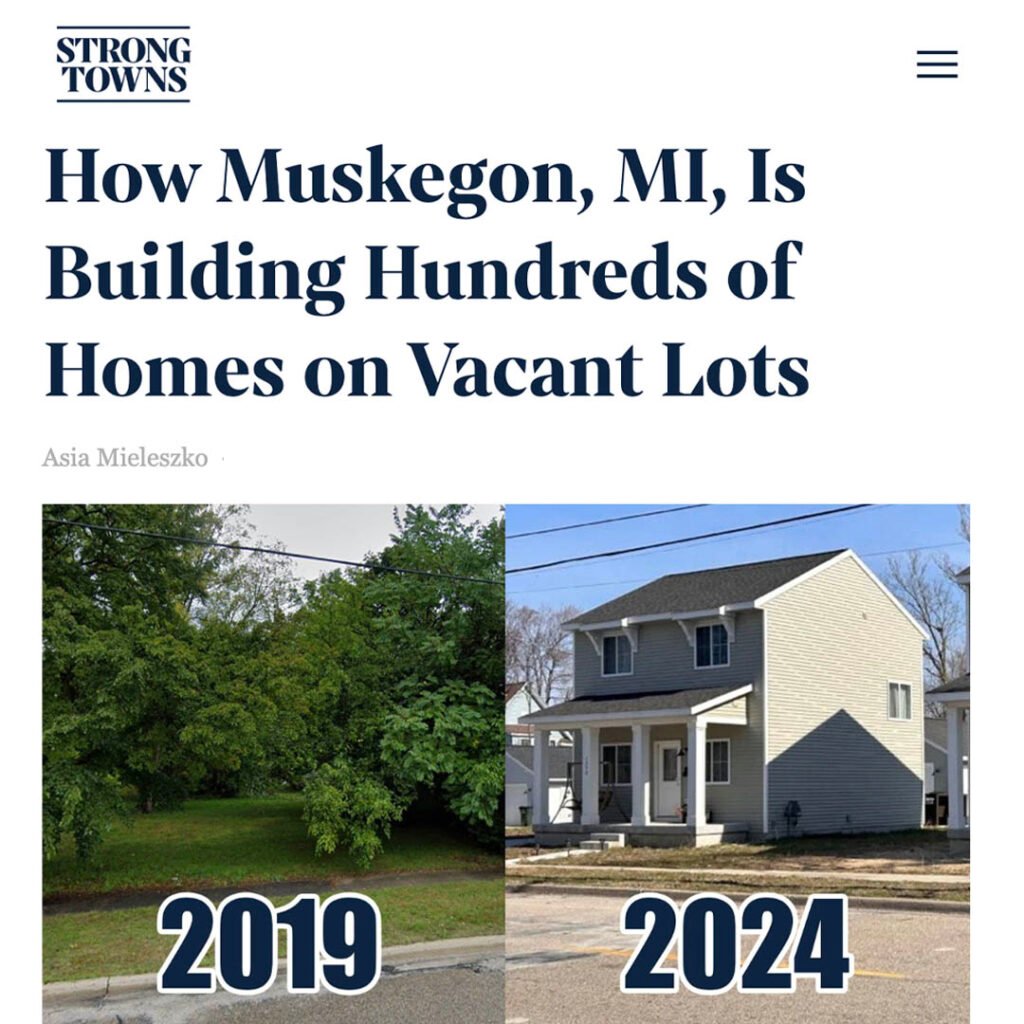
    Imagine a Kingsville where you can safely bike to the park or where small businesses thrive because it’s easier to afford rent or where young people don’t have to move away to find opportunity. Towns like Muskegon have made housing more affordable by supporting small-scale development, and we can do that here, too!

    Strong Towns Muskegon helps make housing affordable, one home at a time.

    Sound like more empty promises? Strong Towns isn’t about big promises—it’s about practical steps that save money and make Kingsville better.

    By joining our mailing list, you’ll learn how to share your ideas at town meetings, join community walks to spot local issues, or support small changes like adding crosswalks.

    Want to make Kingsville a stronger, safer, more affordable place to live?

    Good news: you don’t have to wait for Town Hall to make things better.

    Start today—subscribe to our mailing list to get updates on local events and simple ways you can help our community get on the right track.

    When you subscribe you’ll get a 7-day email course that teaches you the basics of how to build a Strong Town. You’ll be on your way to being a Strong Citizen.

  • Kingsville, Ontario Glow Ride – September 12, 2025

    Kingsville, Ontario Glow Ride – September 12, 2025

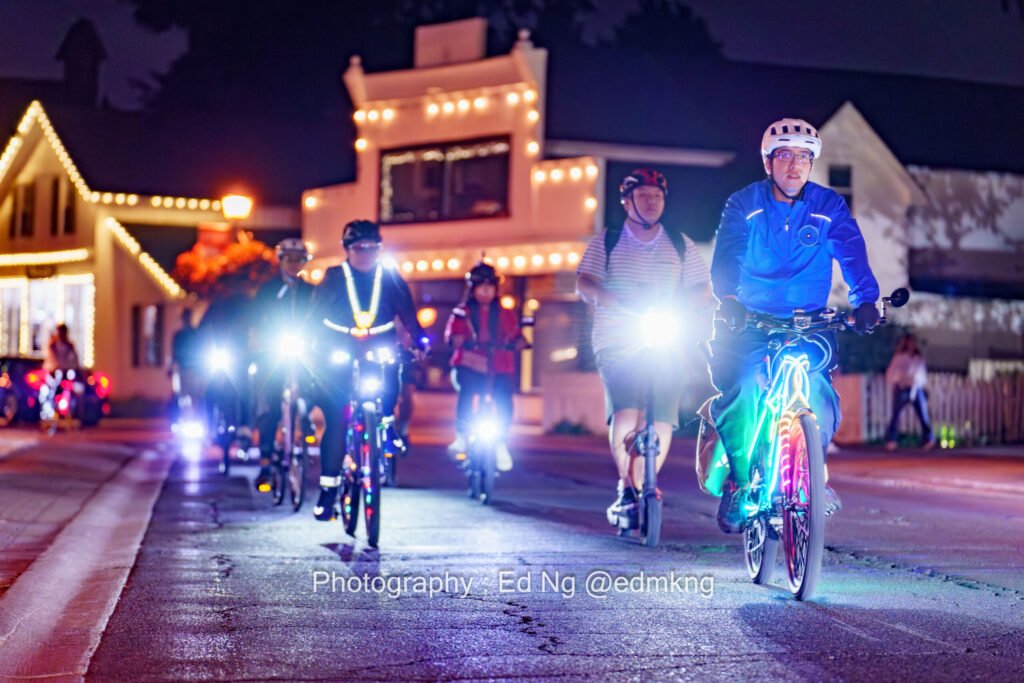
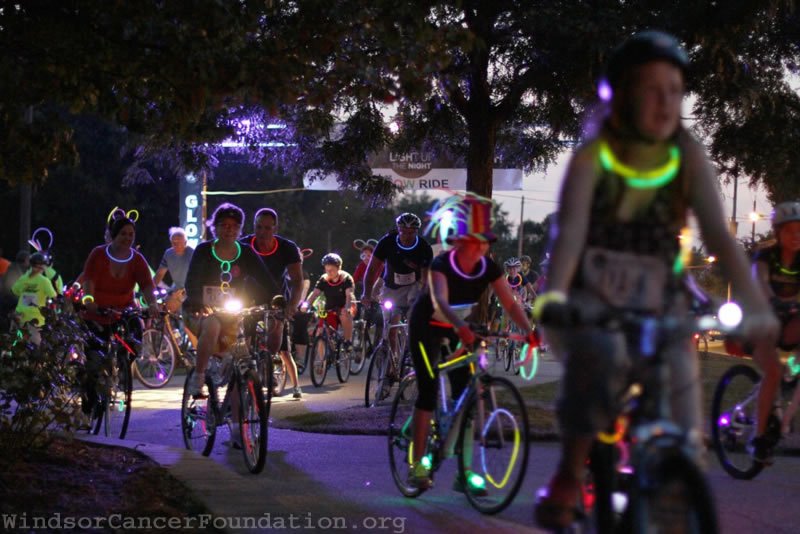
    Join us on a slow ride to light up our streets, promote cycling and have fun. Imagine the Fantasy of Lights, but on wheels!

    Secure your spot by filling out the registration form today!

    Event details:

    On Friday, September 12, check in at the Carnegie Arts Center after 7:00 PM to glow up your bikes and join the rider orientation for a safe and fun ride.

    We’ll head out at 8:00 PM on an 11 km course, finishing back at the Carnegie around 9:00 PM before heading to the Banded Goose to continue the fun.

    REGISTRATION CLOSED

    Children are welcome, but must be closely supervised at all times.

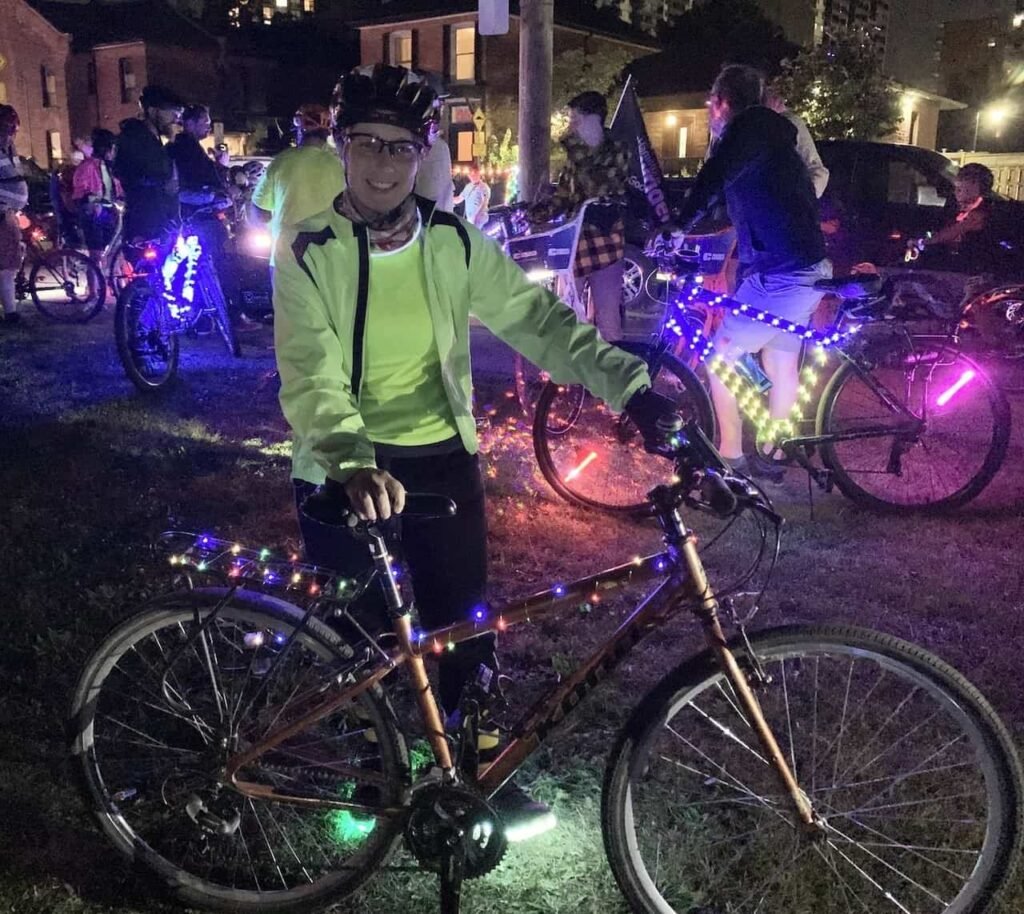
    Examples of what the Kingsville Glow Ride will be like

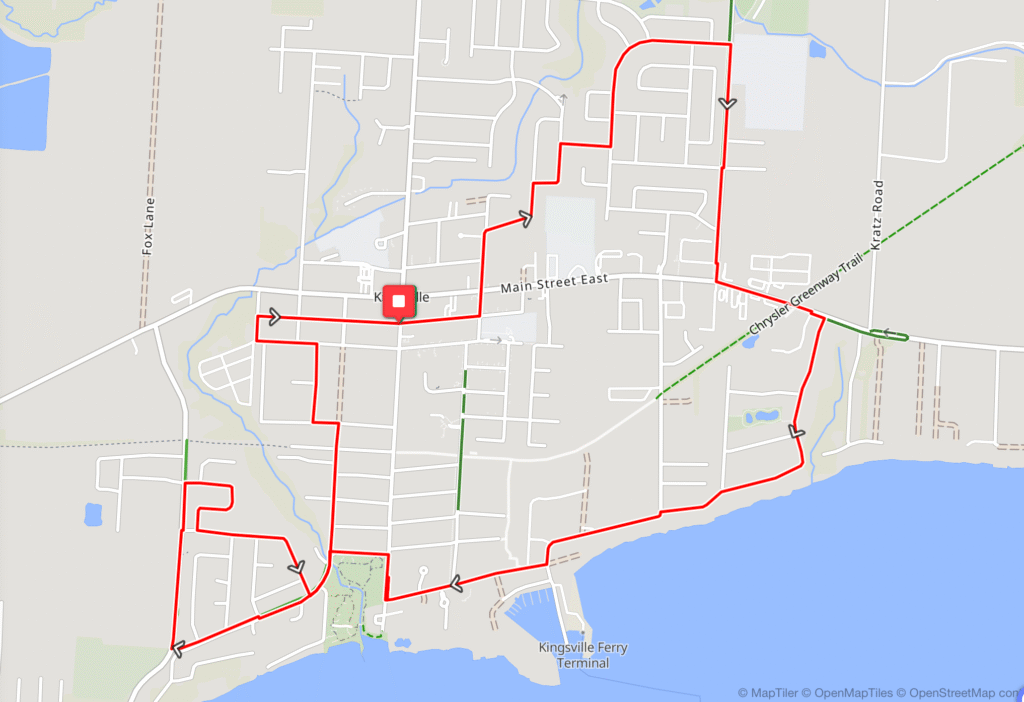
    Glow Ride Course – 11 km

    See: Ride With GPS Route

    Glow Ride Supplies

    For a glow bike ride, you’ll primarily need lights, reflectors, and potentially some decorative glow items. You can find these at various stores, including bike shops, outdoor retailers, and even some general merchandise stores like Canadian Tire, Walmart or Amazon. Additionally, specialty stores or online retailers like Glow Warehouse offer a wider variety of glow-in-the-dark or LED bike accessories. 

    Key Items to Consider:

    • Front and Rear Bike Lights: Essential for visibility, especially on unlit paths. 
    • Reflectors: Improve visibility to other road users. 
    • Reflective Tape: Can be applied to your bike frame, helmet, or clothing. 
    • Glow Sticks/LED Strips: For adding decorative glow to your bike and yourself. 
    • Hydration Pack: Staying hydrated is important, especially during longer rides. 
    • Bike Repair Kit: Always good to have on hand for unexpected issues. 

    Don’t forget to check your local bike shop first (Kingsville Cycle Works) before shopping elsewhere.

    Brought to you by